Navigating the world of cryptocurrency can be daunting, especially when venturing into new markets. This guide dives deep into the process of buying Bitcoin in Japan, providing a clear and concise overview of the available methods, regulations, and security considerations. From popular exchanges to alternative peer-to-peer platforms, we’ll explore the nuances of this increasingly important financial landscape.
Japan’s approach to Bitcoin presents a unique blend of tradition and innovation. This guide explores the legal frameworks, comparing the process to other countries and examining the role of Bitcoin in the global financial ecosystem. We’ll analyze the impact of price fluctuations and provide strategies for managing risk. This guide will be an invaluable resource for anyone considering purchasing Bitcoin in Japan.
Bitcoin Buying in Japan
Purchasing Bitcoin in Japan is a straightforward process, facilitated by a variety of platforms. Individuals can acquire Bitcoin through reputable exchanges and over-the-counter (OTC) markets, each offering unique advantages and disadvantages. Understanding these nuances allows potential buyers to make informed decisions aligned with their individual needs and risk tolerance.
Overview of the Bitcoin Purchasing Process
The process of acquiring Bitcoin in Japan typically involves registering with a platform, verifying your identity, depositing funds (often in Japanese Yen), and then placing an order to buy Bitcoin. After successful confirmation, the Bitcoin is credited to your account. Strict regulations ensure transparency and security throughout the transaction.
Methods for Buying Bitcoin in Japan
Several avenues are available for purchasing Bitcoin in Japan. The most common approaches include utilizing centralized exchanges and engaging in over-the-counter (OTC) transactions. Each method presents a unique set of characteristics.
Centralized Exchanges
Centralized exchanges, like many prominent platforms worldwide, provide a streamlined and user-friendly environment for buying and selling cryptocurrencies. These platforms typically offer various trading pairs, including Bitcoin against Japanese Yen.
- Ease of Use: Centralized exchanges are generally user-friendly, with intuitive interfaces and support systems to guide users through the process.
- Liquidity: High trading volume often ensures adequate liquidity, allowing for quick and efficient execution of trades.
- Fees: Exchanges typically charge fees for transactions, which can vary depending on the specific platform and transaction type.
- Security: Reputable exchanges often implement robust security measures, including multi-factor authentication and cold storage, to protect user funds and assets.
Over-the-Counter (OTC) Markets
OTC markets offer a tailored approach to Bitcoin purchases. This method allows for direct interaction with sellers, offering potential benefits in terms of customized transactions and reduced fees.
- Customization: OTC transactions are highly customizable, allowing for flexible pricing and negotiation terms.
- Potential for Lower Fees: Fees may be lower compared to centralized exchanges, particularly for large transactions.
- Counterparty Risk: The risk of dealing with an untrustworthy counterparty is present.
- Verification and KYC: Robust verification procedures are crucial to mitigate potential risks associated with transactions.
Comparison of Methods
| Platform | Method | Fees | Security |
|---|---|---|---|
| Coincheck | Centralized Exchange | Variable, often lower for larger trades | High, with multi-factor authentication and cold storage |
| Zaif | Centralized Exchange | Variable, often lower for larger trades | High, with multi-factor authentication and cold storage |
| BitFlyer | Centralized Exchange | Variable, often lower for larger trades | High, with multi-factor authentication and cold storage |
| Various OTC Brokers | Over-the-Counter | Potentially lower, but variable and negotiable | Lower compared to exchanges, relying on individual reputation |
Regulations and Legal Aspects
Japan’s approach to cryptocurrency regulation, while relatively progressive, presents a nuanced landscape for Bitcoin buyers. The country’s regulatory framework, particularly concerning virtual currencies, is dynamic and subject to evolution. Navigating these complexities is crucial for understanding the legal implications and potential risks inherent in Bitcoin transactions.
Current Regulatory Framework
Japan’s regulatory framework for virtual currencies, including Bitcoin, is primarily defined by the Payment Services Act (PSA). This legislation categorizes Bitcoin as a payment method, granting it a legal standing distinct from traditional securities. Crucially, this classification impacts how Bitcoin transactions are treated under the law. The Financial Services Agency (FSA) plays a pivotal role in overseeing the regulatory compliance of companies involved in Bitcoin trading.
Legal Implications of Buying and Selling Bitcoin
Buying and selling Bitcoin in Japan, while legally permissible under the PSA, necessitates adherence to established financial regulations. This includes requirements for transparency and record-keeping, essential for preventing illicit activities. Failure to comply with these regulations could lead to legal repercussions. For example, if a Bitcoin exchange fails to adequately maintain transaction records or KYC (Know Your Customer) data, they may face penalties or sanctions from the FSA.
Role of the Financial Services Agency (FSA)
The FSA acts as the primary regulatory body for overseeing the cryptocurrency market in Japan. Its role encompasses the enforcement of regulations, the issuance of guidelines, and the conduct of inspections to ensure compliance with the PSA. The FSA actively monitors the market for any potential violations or risks. This proactive approach helps maintain a degree of market stability and consumer protection.
For instance, the FSA’s guidance on customer protection measures reinforces investor confidence in the Bitcoin market.
Potential Risks Associated with Buying Bitcoin
While Bitcoin transactions in Japan are generally legal, several potential risks remain. One major risk is the volatility of the Bitcoin market. Prices can fluctuate significantly, leading to substantial gains or losses for investors. Another risk relates to the security of Bitcoin exchanges. A security breach could result in the loss of funds for users.
Additionally, the evolving nature of cryptocurrency regulations could create uncertainty and potential changes to existing legal interpretations. Investors should conduct thorough research and due diligence before engaging in Bitcoin transactions.
Currency Exchange and Conversion
Buying Bitcoin in Japan involves exchanging Japanese Yen (JPY) for the cryptocurrency. This process, while straightforward, entails several considerations, including exchange rates and associated fees. Understanding these elements is crucial for making informed purchasing decisions.
Process of Exchanging JPY for Bitcoin
The process typically involves selecting a cryptocurrency exchange platform in Japan. Users create an account, deposit JPY funds, and then initiate a purchase order for Bitcoin. The exchange platform will execute the transaction based on the prevailing exchange rate and any applicable fees. Confirmations and security measures are generally in place to ensure the safety of the transaction.
Comparison of Exchange Rates
Different exchanges in Japan offer varying Bitcoin exchange rates. This difference is influenced by factors such as market conditions, liquidity, and the exchange’s operational model. A comparison of rates across multiple platforms is advisable to secure the most favorable exchange rate. This comparison helps identify potential savings in the overall cost of acquiring Bitcoin.
Typical Conversion Fees
Conversion fees are an essential component of the cost of buying Bitcoin. These fees, expressed as a percentage or a flat rate, are levied by the exchange platform. Typical fees range from a few basis points to several percent depending on the specific exchange and transaction volume. Fees can also fluctuate based on market conditions and platform policies.
Calculating the Total Cost
To calculate the total cost of purchasing Bitcoin, one needs to consider both the exchange rate and the associated fees. The total cost is determined by multiplying the desired Bitcoin quantity by the prevailing exchange rate, then adding the applicable fees. A simple example: if you want to buy 1 Bitcoin and the exchange rate is 350,000 JPY, and the fee is 0.5%, the total cost would be (350,000 JPY
- 1) + (350,000 JPY
- 0.005) = 351,750 JPY.
Example Calculation
Total Cost = (Desired Bitcoin Quantity
- Exchange Rate) + (Desired Bitcoin Quantity
- Exchange Rate
- Fee Percentage)
This formula demonstrates the calculation, where the exchange rate is expressed in JPY per Bitcoin, and the fee percentage represents the percentage deducted from the transaction. Understanding this formula enables users to precisely estimate the total cost involved in acquiring Bitcoin in Japan.
Security and Risk Management
Bitcoin trading, while potentially lucrative, carries inherent risks. Understanding these risks and implementing robust security measures is crucial for a safe and successful experience in Japan. This section details essential precautions to take when navigating the Bitcoin market.
Security Measures for Bitcoin Purchases in Japan
Careful consideration of security measures is paramount when engaging in Bitcoin transactions. A multi-layered approach is essential for mitigating risks.
- Employing strong, unique passwords: Use a password manager to generate and store complex, unique passwords for all Bitcoin-related accounts. Avoid using easily guessable information like birthdays or names. Enable two-factor authentication (2FA) whenever possible.
- Utilizing reputable exchanges: Choose regulated and reputable Bitcoin exchanges operating within Japanese legal frameworks. Research the exchange’s security practices and customer reviews before opening an account. Verify the exchange’s security certifications and measures for data protection.
- Protecting personal information: Be vigilant about protecting personal information when interacting with Bitcoin exchanges or other related platforms. Do not share sensitive information, such as your password or financial details, with anyone outside of authorized channels.
- Regularly updating software: Keep all software and operating systems updated with the latest security patches. Outdated software can create vulnerabilities that malicious actors may exploit.
- Actively monitoring accounts: Monitor your Bitcoin accounts regularly for any suspicious activity. Be wary of unusual transactions or login attempts. Immediately report any suspicious activity to the exchange or platform.
Potential Risks Associated with Bitcoin in Japan
Several potential risks are inherent in Bitcoin transactions. Understanding these risks is critical to making informed decisions.
- Market volatility: Bitcoin’s price can fluctuate significantly and unpredictably. Rapid price drops can lead to substantial losses. Investment decisions should be made with careful consideration of market trends and risk tolerance.
- Security breaches: Bitcoin exchanges and wallets can be targets for hacking or cyberattacks. Compromised accounts can lead to the loss of funds. Use strong security practices and store funds in secure, diversified locations.
- Regulatory uncertainty: While Japan has relatively favorable regulations for cryptocurrencies, changes in policies or enforcement could impact your investments. Stay informed about the evolving regulatory landscape.
- Scams and fraud: Be wary of phishing scams and fraudulent activities related to Bitcoin. Verify the authenticity of websites and individuals before sharing personal or financial information.
- Technical issues: Software glitches or network failures can disrupt transactions or lead to data loss. Use multiple wallets and back up frequently.
Risk Mitigation Strategies for Bitcoin Trading in Japan
Implementing risk mitigation strategies can significantly reduce the potential for financial loss.
- Diversification: Don’t put all your eggs in one basket. Diversify your investments across different Bitcoin-related assets, exchanges, and other investment vehicles.
- Stop-loss orders: Use stop-loss orders to limit potential losses in case of unexpected market downturns. These orders automatically sell your holdings when the price reaches a predefined level.
- Due diligence: Conduct thorough research and due diligence on any investment opportunity or exchange before making a commitment. Evaluate the exchange’s security measures, financial stability, and regulatory compliance.
- Education: Invest time in educating yourself about Bitcoin, the Japanese regulatory landscape, and the risks involved. This will empower you to make informed decisions and take appropriate precautions.
- Professional advice: Consider consulting with a financial advisor or professional knowledgeable in cryptocurrency investments.
Securing Digital Wallets and Accounts
Safeguarding digital wallets and accounts is crucial for protecting your Bitcoin holdings.
- Backup Strategies: Create and regularly update multiple backups of your private keys and wallet data. Use reputable backup services, or store copies offline in physically secure locations.
- Multi-Signature Wallets: Consider using multi-signature wallets to enhance security by requiring multiple approvals for transactions. This adds an extra layer of protection against unauthorized access.
- Strong Passphrases: Employ strong, unique passwords and enable two-factor authentication for all accounts. Avoid using easily guessable information.
- Cold Storage: If possible, store your Bitcoin offline in a “cold storage” wallet, reducing the risk of online attacks. This approach can be a viable option for long-term holdings.
- Regular Security Audits: Periodically review your wallet security settings and update them to address any vulnerabilities.
Buying Bitcoin
Bitcoin, a decentralized digital currency, has gained significant traction worldwide. Its emergence has reshaped global finance, attracting both investors and critics. This section provides a comprehensive overview of Bitcoin purchasing, its historical context, and its position in the global financial system, while also outlining potential pitfalls.
Global Bitcoin Purchasing
Acquiring Bitcoin globally involves various methods, from peer-to-peer exchanges to regulated platforms. The availability and accessibility of these methods differ significantly across countries, reflecting varying regulatory environments and technological infrastructure. Factors like government regulations, security measures, and user experience contribute to the diversity in the buying process.
Bitcoin Purchasing in Japan Compared to Other Countries
Japan’s regulatory approach to cryptocurrencies, including Bitcoin, is relatively progressive compared to many other countries. This has fostered a more established and readily available market for Bitcoin purchases. In contrast, some jurisdictions impose stricter regulations or offer limited access to cryptocurrency exchanges. These differences impact the ease and security of the Bitcoin buying process.
History of Bitcoin Buying
The earliest Bitcoin purchases were conducted through peer-to-peer transactions and rudimentary online exchanges. Over time, the market evolved to include regulated exchanges and specialized trading platforms. The growth of Bitcoin’s popularity and the subsequent emergence of various services and regulations have shaped the current landscape of Bitcoin purchasing. The initial challenges and the subsequent advancements highlight the dynamic evolution of this market.
Bitcoin’s Role in the Global Financial System
Bitcoin’s emergence has introduced an alternative payment system that operates independently of traditional banking systems. Its decentralized nature challenges the existing financial infrastructure, while its volatility and regulatory uncertainties introduce new complexities. Bitcoin’s potential impact on international trade and financial transactions is still being evaluated. The use of Bitcoin for cross-border payments and its capacity to bypass traditional financial intermediaries are some areas of focus in this assessment.
Common Pitfalls in Bitcoin Buying
Investing in Bitcoin, like any other investment, comes with potential risks. Market volatility is a significant concern, with prices fluctuating dramatically. Security breaches and scams targeting cryptocurrency users are also prevalent. Choosing a reputable and secure platform is crucial to mitigating these risks. Moreover, users should diligently research and understand the regulations applicable in their jurisdiction before making any investment decisions.
Thorough research is essential for minimizing these risks.
Popular Platforms for Buying Bitcoin in Japan
Several reputable platforms facilitate Bitcoin purchases in Japan, catering to diverse user needs and preferences. These platforms provide a crucial link between Japanese users and the global cryptocurrency market, offering various features and levels of security. Understanding these platforms and their comparative advantages is vital for informed decision-making.
Overview of Popular Bitcoin Exchanges in Japan
Numerous exchanges in Japan offer Bitcoin trading services, each with unique strengths. Factors like user interface design, security measures, and user experience significantly impact a platform’s appeal to potential users. These factors influence how smoothly and safely individuals can execute transactions.
Features and Benefits of Popular Bitcoin Exchanges
Different exchanges excel in specific areas. Some might prioritize user-friendliness for beginners, while others focus on advanced trading tools for seasoned investors. This section highlights key features and benefits of several prominent exchanges. The following examples illustrate the variety in available services.
- Coincheck: Known for its user-friendly interface, Coincheck caters to both novice and experienced traders. It offers a broad range of cryptocurrencies, facilitating diverse investment opportunities. Coincheck has a robust security framework, regularly audited to ensure user protection.
- BitFlyer: BitFlyer is a popular choice among experienced traders. Its platform boasts advanced charting tools and real-time market data. This exchange is well-regarded for its security protocols and is often a preferred choice for those seeking more complex trading options.
- Zaif: Zaif provides a comprehensive platform for various cryptocurrency transactions. It offers competitive trading fees and an active community forum, making it a valuable resource for both beginners and advanced traders seeking support and information. Zaif is another reputable platform that prioritizes security.
Comparison of User Experience
User experience varies across different platforms, impacting the overall satisfaction and ease of use. Factors such as platform navigation, transaction speed, and customer support play a critical role. Consider the different aspects of user experience to select a platform that aligns with your needs.
- Ease of navigation: Some platforms excel in intuitive design, making it easy to find necessary functions. Others might have a steeper learning curve, requiring more time to familiarize oneself with the interface.
- Transaction speed: The speed of executing trades significantly influences user experience. Fast transactions minimize potential losses from market fluctuations and enhance overall satisfaction.
- Customer support: Responsive and helpful customer support can be crucial during times of technical difficulties or when seeking clarification. The availability and quality of customer service directly affect the user experience.
Security Measures Implemented by Platforms
Security is paramount when dealing with cryptocurrencies. Reputable exchanges implement various measures to protect user funds and data. Understanding the security protocols in place helps users make informed decisions about where to store their crypto assets.
- Multi-factor authentication: Multi-factor authentication (MFA) adds an extra layer of security, making it harder for unauthorized access.
- Cold storage: Utilizing cold storage for a portion of assets significantly reduces the risk of hacking or data breaches. This approach helps secure funds offline, outside of connected systems.
- Regular audits: Regular audits conducted by independent third parties ensure compliance with security standards and help maintain user confidence in the platform.
Comparison Table: User Interface and User Experience
The following table summarizes the comparison of user interface design and user experience for some popular Bitcoin exchanges in Japan.
| Platform | UI Design | User Experience | Security Features |
|---|---|---|---|
| Coincheck | Intuitive and user-friendly, easy navigation | Positive user feedback, quick transactions | Robust security measures, regular audits |
| BitFlyer | Advanced features, real-time data | Excellent for experienced traders, complex trading tools | High security standards, multi-factor authentication |
| Zaif | Comprehensive platform, diverse options | Suitable for both beginners and experienced users | Reliable security measures, competitive fees |
Buying Bitcoin
Bitcoin acquisition in Japan extends beyond the conventional methods available through established exchanges. Alternative avenues, such as peer-to-peer (P2P) trading, offer unique advantages and disadvantages for investors. Navigating these options requires understanding the potential risks and rewards involved.
Alternative Methods for Purchasing Bitcoin
Several alternative methods exist for acquiring Bitcoin in Japan, each with its own set of characteristics. This section focuses on peer-to-peer (P2P) platforms, a popular yet potentially risky approach.
Peer-to-Peer Bitcoin Trading
Peer-to-peer (P2P) platforms connect buyers and sellers directly, facilitating transactions outside of regulated exchanges. This approach offers a degree of flexibility, but it also presents a heightened level of risk. Direct interaction between individuals removes the intermediary role of established exchanges, potentially allowing for greater price negotiation.
Pros and Cons of P2P Platforms
- Flexibility and Potential for Lower Fees: P2P platforms can provide greater flexibility in terms of transaction specifics, potentially leading to lower fees compared to exchange-based transactions.
- Direct Interaction: Direct interaction between buyers and sellers allows for potential price negotiation and more customized transaction terms.
- Potential for Higher Risks: P2P transactions often lack the same level of regulatory oversight as exchange-based transactions, making them more susceptible to scams, fraud, or disputes.
- Security Concerns: The absence of an intermediary on P2P platforms elevates the importance of security precautions. Thorough background checks, verification procedures, and secure payment methods are crucial to mitigate risks.
Risks and Security Measures
Security is paramount when using P2P platforms. Verification of the seller’s identity, thorough due diligence, and secure payment processing are crucial steps. Using escrow services or trusted intermediaries can mitigate some of the inherent risks. Furthermore, understanding the platform’s reputation and user reviews is essential.
Table: Pros and Cons of Alternative Bitcoin Purchase Methods
| Method | Pros | Cons | Security |
|---|---|---|---|
| Established Exchanges | Regulation, security measures, established reputation, wide liquidity | Fees, potential for price discrepancies, limited negotiation options | High, overseen by regulators |
| Peer-to-Peer Platforms | Potential for lower fees, direct interaction, greater flexibility in terms | Higher risk of scams and fraud, lack of regulatory oversight, security concerns | Medium, dependent on platform’s security measures and user’s due diligence |
Bitcoin Price Fluctuation Impact on Buying
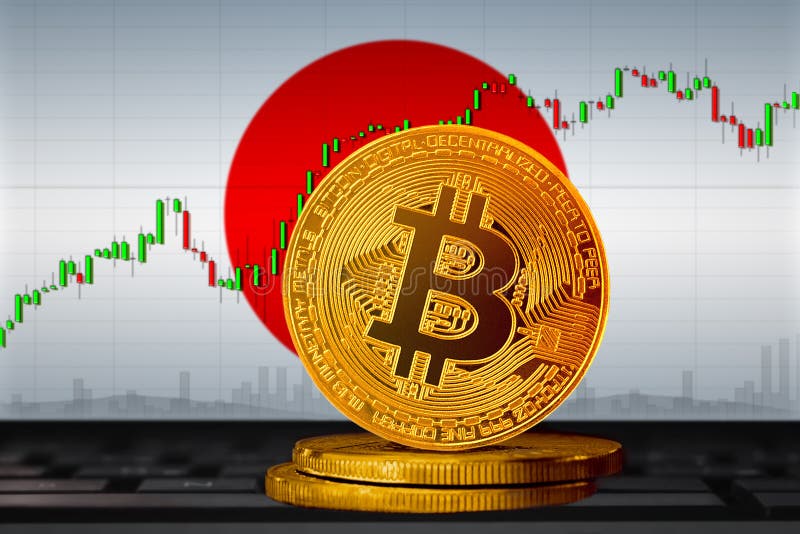
Bitcoin’s volatile nature significantly impacts the buying process in Japan, as in other markets. Understanding these fluctuations is crucial for informed decision-making and risk management. Price swings can lead to both lucrative opportunities and substantial losses.Price volatility in the cryptocurrency market, including Bitcoin, is a defining characteristic. This inherent instability influences the purchasing decisions of Japanese investors.
Market sentiment and news events often play a significant role in these price movements.
Impact of Market Trends on Bitcoin Prices in Japan
Market trends and sentiments in the Japanese market, as well as globally, directly affect Bitcoin’s price. Positive news or adoption within Japan, such as government initiatives or increased mainstream acceptance, can drive up demand and thus the price. Conversely, negative news, regulatory concerns, or global economic downturns can cause price drops.
Examples of Past Bitcoin Price Movements and Their Effect on Buying
Bitcoin’s price has exhibited substantial fluctuations in the past. The 2017 bull run, for instance, saw a dramatic increase in the price, making Bitcoin a highly attractive investment option for Japanese buyers. Many took advantage of the high prices to purchase, seeking quick profits. However, the subsequent bear market of 2018 saw significant price drops, resulting in substantial losses for those who bought at the peak.
This highlights the inherent risk of investing in cryptocurrencies, especially during periods of high volatility. The 2020-2021 bull run followed a similar pattern, with sharp price increases followed by corrections. These price movements demonstrate the importance of a thorough understanding of market trends and risk management strategies.
Strategies to Manage Risk During Periods of Volatility
Managing risk during Bitcoin price fluctuations is crucial for successful investing. One effective strategy is to establish a clear investment strategy with defined risk tolerance. This should Artikel the maximum percentage of capital allocated to Bitcoin and the specific entry and exit points.
- Diversification: Diversifying one’s portfolio by investing in other assets, such as stocks or bonds, can mitigate risk. This approach helps to balance the volatility of Bitcoin investments.
- Dollar-Cost Averaging (DCA): Dollar-cost averaging involves investing a fixed amount of money at regular intervals, regardless of the price. This strategy helps to smooth out the impact of price fluctuations. It reduces the risk of buying high and selling low during volatile periods.
- Stop-Loss Orders: Setting stop-loss orders helps limit potential losses. This automated order will sell the Bitcoin if the price drops below a specified level, protecting against substantial price declines.
- Thorough Research: Conducting thorough research on the market trends, news events, and regulatory changes relevant to the Japanese Bitcoin market is essential. Understanding the specific dynamics of the Japanese market is crucial.
Conclusion
In conclusion, buying Bitcoin in Japan offers a compelling opportunity, but it’s essential to understand the process thoroughly. This guide has illuminated the key aspects, from available platforms and regulatory considerations to security measures and alternative methods. By understanding the intricacies of the Japanese market, investors can confidently navigate the Bitcoin landscape and make informed decisions.
Frequently Asked Questions
What are the most popular exchanges for buying Bitcoin in Japan?
Several popular exchanges facilitate Bitcoin purchases in Japan, including Coinbase, BitFlyer, and others. Each platform has its own strengths and weaknesses in terms of fees, security, and user experience. Comparing features and user reviews is recommended before making a choice.
What are the typical conversion fees associated with buying Bitcoin in Japan?
Conversion fees vary depending on the exchange and the amount traded. These fees are usually expressed as a percentage or a fixed amount. It’s crucial to factor these fees into the total cost of your purchase to avoid unexpected expenses.
How do Bitcoin price fluctuations affect the buying process in Japan?
Bitcoin’s price volatility can significantly impact the buying process. Sudden price swings can lead to substantial gains or losses, and careful risk management is essential. Diversification and understanding market trends can help mitigate these risks.
What security measures should I take when buying Bitcoin in Japan?
Strong passwords, two-factor authentication, and regular security audits are critical. Never share your private keys, and ensure you are using reputable platforms with robust security measures.