
Purchasing Bitcoin using credit cards has become increasingly popular, but navigating the process can be daunting. This guide provides a comprehensive overview of the advantages and disadvantages, outlining the various methods, security considerations, and potential risks. We’ll explore different exchange platforms, fees, and alternative acquisition strategies, offering a clear picture of this evolving financial landscape.
From the initial stages of Bitcoin’s creation to the current regulatory landscape, understanding the history and evolution of Bitcoin is essential for informed decision-making. We’ll also delve into future predictions, discussing potential advancements and challenges in the market.
Introduction to Bitcoin Purchases
Bitcoin, a decentralized digital currency, operates independently of central banks and traditional financial institutions. Its unique structure relies on cryptography for security and peer-to-peer transactions. This decentralized nature is a key differentiator, though it also presents certain complexities for users unfamiliar with the technology.Acquiring Bitcoin involves several methods, each with its own set of advantages and disadvantages. Understanding these methods is crucial for informed investment decisions.
The use of credit cards for Bitcoin purchases is one popular, albeit controversial, option. This method allows immediate access to Bitcoin but carries specific risks and rewards that need careful consideration.
Bitcoin Acquisition Methods
Various methods exist for acquiring Bitcoin, including direct purchases from exchanges, peer-to-peer (P2P) trading platforms, and even earning it through specific crypto mining activities. The choice of method depends on individual circumstances and risk tolerance.
Bitcoin Purchase with Credit Cards
Purchasing Bitcoin using credit cards is a convenient method that allows immediate access to the cryptocurrency. However, this approach often comes with higher fees and potential risks associated with credit card usage. The transaction typically involves converting credit card funds into fiat currency, then exchanging that fiat currency for Bitcoin.
Advantages and Disadvantages of Credit Card Purchases
- Advantages: Ease of use and speed of transaction are significant advantages. The immediate availability of Bitcoin can be particularly attractive, especially for those needing Bitcoin quickly. The convenience of a familiar payment method makes it readily accessible to a broader user base.
- Disadvantages: High transaction fees are a common drawback. Credit card providers may charge fees for processing crypto transactions. Moreover, the volatility of Bitcoin’s price can lead to significant losses if the price drops between the time of purchase and withdrawal.
Bitcoin Exchange Platforms and Credit Card Support
The availability of credit card support for Bitcoin purchases varies across different exchange platforms. This is due to differing policies and security protocols. This table summarizes the credit card support for several popular exchanges.
| Exchange Platform | Credit Card Support |
|---|---|
| Coinbase | Yes, but with limitations |
| Binance | Yes, with specific card types supported |
| Kraken | Yes, for selected regions and card types |
| Gemini | Yes |
| Bitstamp | Yes, for specific card types |
Note: This table provides a snapshot of current support; policies can change. Always verify directly with the exchange for the most up-to-date information.
History of Bitcoin
Bitcoin emerged as a revolutionary concept in 2009, spearheaded by the pseudonymous Satoshi Nakamoto. The initial goal was to create a decentralized digital currency, independent of traditional financial systems. The history of Bitcoin is marked by periods of rapid growth and volatility, as the technology gained widespread adoption and speculation.
Purchasing Bitcoin with Credit Cards
Buying Bitcoin with a credit card is a convenient method for many users. However, it’s crucial to understand the process, associated fees, and security protocols involved to make informed decisions. This section delves into the intricacies of credit card-based Bitcoin purchases.The process of buying Bitcoin with a credit card typically involves selecting a Bitcoin exchange that supports this payment method.
Users provide their credit card details, specify the amount of Bitcoin they wish to purchase, and confirm the transaction. The exchange verifies the transaction and, upon successful authorization, delivers the Bitcoin to the user’s designated wallet.
Credit Card Processing Fees and Charges
Bitcoin exchanges often levy fees for credit card transactions. These fees can vary significantly depending on the exchange and the credit card issuer. Transaction fees are often expressed as a percentage of the purchase amount, or a fixed amount per transaction. Exchange-specific fees are typically displayed prominently on the exchange’s platform. Additional fees, such as network transaction fees, may also apply.
Comparison of Bitcoin Exchanges and Credit Card Options
Various Bitcoin exchanges offer credit card purchase options, each with its own terms and conditions. Some exchanges may partner with specific credit card networks, while others may accept a wider range of cards. Comparing the fees, transaction limits, and overall user experience across different exchanges is essential for finding the most suitable platform.
Security Measures in Credit Card Transactions
Security is paramount when using credit cards to buy Bitcoin. Reputable Bitcoin exchanges employ robust security measures to protect user data and funds. These measures often include advanced encryption technologies, secure payment gateways, and regular security audits.
Security Protocols Used by Different Exchanges
| Exchange | Security Protocols |
|---|---|
| Exchange A | Secure Sockets Layer (SSL) encryption, two-factor authentication (2FA), regular security audits, and PCI DSS compliance. |
| Exchange B | Advanced encryption protocols, transaction monitoring systems, cold storage for cryptocurrency reserves, and dedicated security teams. |
| Exchange C | Multi-layered security, including encryption protocols, IP address verification, transaction logs, and robust fraud detection systems. |
Note: This table provides a general overview. Specific security protocols may vary, and users should always consult the exchange’s official security policies for the most up-to-date information. A user’s due diligence is critical when evaluating an exchange’s security measures.
Alternatives to Buying Bitcoin with Credit Cards
Beyond credit cards, several alternative methods exist for acquiring Bitcoin. These options cater to diverse needs and preferences, offering varying levels of convenience, security, and cost. Understanding these alternatives is crucial for making informed decisions about how to acquire Bitcoin.
Bank Transfers and Wire Transfers
Bank transfers and wire transfers provide a traditional method for moving funds. They often involve a direct transfer from your bank account to a Bitcoin exchange or wallet. While generally secure, the process can be slower than other methods, often taking several business days. The transaction fees can also vary based on the specific bank and transfer method.
Peer-to-Peer (P2P) Exchanges
P2P exchanges connect buyers and sellers directly, enabling transactions outside traditional exchanges. This method can provide more control over the transaction and potentially lower fees compared to exchanges. However, it also introduces a higher level of risk due to the direct interaction between parties. Thorough verification of the counterparty is essential for mitigating this risk. A key advantage is the ability to potentially negotiate prices and avoid the fees associated with exchange platforms.
A significant drawback is the inherent risk of dealing with unknown individuals.
Bitcoin ATMs
Bitcoin ATMs offer a convenient, readily available option for purchasing Bitcoin. They provide a physical interface for buying and selling Bitcoin using cash. The process is typically straightforward and allows for instant transactions. However, Bitcoin ATMs often come with higher fees compared to other methods and may have limitations in terms of transaction amounts. The availability of Bitcoin ATMs can vary geographically.
Other Exchange Methods
Numerous exchanges facilitate Bitcoin purchases using various payment methods, including bank transfers, debit cards, and other payment options. These exchanges provide a centralized platform for buying and selling Bitcoin, offering a degree of security and reliability. However, fees and transaction times can vary significantly between exchanges. Exchange selection depends on the user’s specific requirements and preferences.
Comparison Table of Bitcoin Purchase Methods
| Method | Pros | Cons | Speed | Ease |
|---|---|---|---|---|
| Credit Cards | Convenience, wide availability | Higher fees, potential security risks | Fast | High |
| Bank Transfers/Wire Transfers | Generally secure, potentially lower fees | Slow transaction times | Slow | Moderate |
| P2P Exchanges | Potentially lower fees, direct control | Higher risk of scams, requires verification | Variable | Moderate |
| Bitcoin ATMs | Convenience, cash transactions | Higher fees, limited amounts, geographic availability | Fast | High |
| Other Exchanges | Centralized platform, security, variety of payment options | Fees, transaction times vary | Variable | Moderate |
Best Alternative Based on Use Cases
The optimal alternative depends on individual needs. For users prioritizing speed and ease of use, credit cards or Bitcoin ATMs might be suitable. For those concerned with security and potentially lower fees, bank transfers or reputable exchanges could be better choices. P2P transactions offer a potential for lower fees, but higher risk. Understanding the strengths and weaknesses of each method is key to selecting the most appropriate approach for acquiring Bitcoin.
List of Bitcoin Purchase Methods
- Credit Cards
- Bank Transfers
- Wire Transfers
- Peer-to-Peer (P2P) Exchanges
- Bitcoin ATMs
- Other Exchanges (e.g., Coinbase, Kraken)
Buying Bitcoin
Bitcoin, a decentralized digital currency, can be acquired through various methods. Understanding these methods, their security implications, and associated costs is crucial for any potential buyer. This section details the different avenues for purchasing Bitcoin, highlighting the procedures and security considerations.
Different Types of Bitcoin Purchases
Acquiring Bitcoin involves several methods, each with unique characteristics and potential risks. The most common approaches include exchange platforms, peer-to-peer (P2P) marketplaces, and over-the-counter (OTC) deals.
Exchange Platforms
Exchanges are centralized platforms that facilitate the buying and selling of Bitcoin and other cryptocurrencies. These platforms often offer user-friendly interfaces and a wide range of payment options, including credit cards, bank transfers, and other digital wallets.
- Procedure: Typically, users create an account, fund their account with fiat currency, and then place an order to buy Bitcoin at a specified price. The transaction is processed by the exchange, and the Bitcoin is deposited into the user’s designated wallet.
- Security: Security on exchanges varies significantly. Users should choose reputable exchanges with robust security measures, including two-factor authentication and cold storage for holding funds. Users must protect their login credentials and be cautious of phishing scams.
- Cost: Transaction fees are generally charged by the exchange, and these fees can vary depending on the exchange, the payment method, and the volume of the transaction. Exchange fees, along with potential spreads between the buy and sell prices, contribute to the overall cost.
Peer-to-Peer (P2P) Marketplaces
P2P platforms connect buyers and sellers directly, enabling transactions outside the regulated exchange environment. This method often allows for greater flexibility in pricing and transaction terms.
- Procedure: Users on P2P platforms typically initiate a transaction by specifying the amount of Bitcoin they wish to purchase and the payment method. The seller then reviews the request and, if accepted, details the transaction specifics, including the payment instructions.
- Security: P2P transactions involve a higher degree of risk compared to exchange platforms. Users must exercise caution in verifying the seller’s legitimacy and conduct transactions in a secure manner, employing secure payment methods and protecting personal information.
- Cost: Costs associated with P2P transactions are primarily determined by the seller’s pricing. Buyers should research and compare prices before engaging in any transaction. There might also be fees related to the payment methods used.
Over-the-Counter (OTC) Deals
OTC transactions typically involve direct negotiation between buyers and sellers, usually for larger volumes. These transactions are less regulated than exchange or P2P platforms.
- Procedure: OTC transactions involve direct communication between the buyer and seller. The parties agree on the price and terms of the transaction, often via email or messaging apps. The payment and delivery of Bitcoin are handled directly.
- Security: OTC transactions involve a high degree of risk due to the lack of intermediary protection. Buyers must meticulously verify the seller’s identity and conduct the transaction through secure channels.
- Cost: OTC transactions can have varying costs depending on the negotiated price and terms. Negotiation is key in determining the overall transaction cost.
Comparison Table
| Feature | Exchange Platforms | P2P Marketplaces | OTC Deals |
|---|---|---|---|
| Security | Generally higher | Lower | Lowest |
| Transaction Speed | Faster | Variable | Slowest |
| Pricing Flexibility | Limited | Higher | Highest |
| Regulation | Higher | Lower | Lowest |
Security and Risks
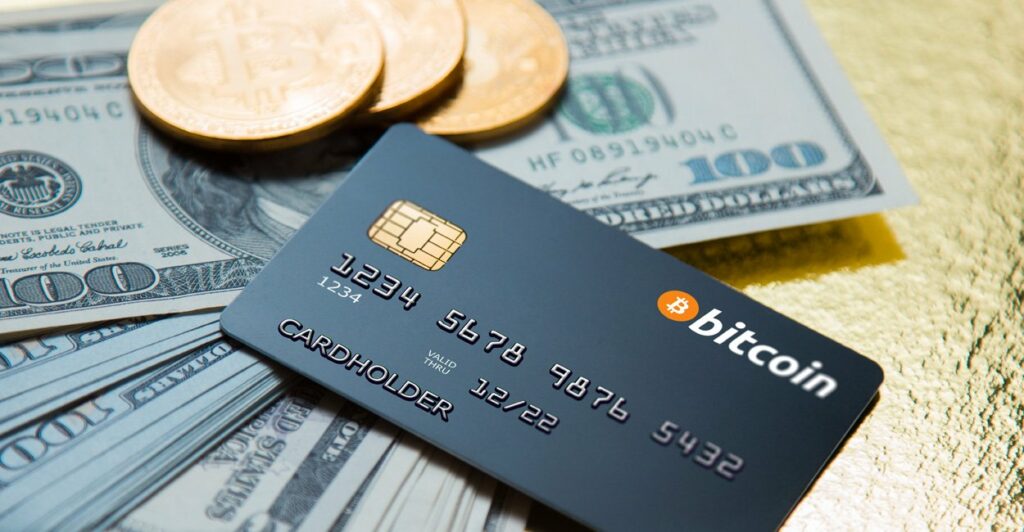
Purchasing Bitcoin with credit cards, while convenient, introduces several potential security and financial risks. Users must understand these risks and take appropriate precautions to safeguard their funds and personal information. This section Artikels the dangers and provides strategies for mitigating them.
Credit Card Risks
Using credit cards for Bitcoin purchases can expose users to fraud and unauthorized transactions. Credit card details, if compromised, can be used to make unauthorized Bitcoin purchases. Moreover, disputes with the card issuer can sometimes be difficult and time-consuming, and may not always result in the recovery of funds.
Security Measures
Implementing robust security measures is crucial when buying Bitcoin. Use a reputable and secure Bitcoin exchange or platform. Ensure the platform employs strong encryption to protect user data. Verify the platform’s security credentials and read reviews before committing to a purchase. Employ strong passwords and enable two-factor authentication wherever possible.
Financial Risks
Bitcoin’s volatile nature introduces significant financial risk. The price of Bitcoin can fluctuate dramatically, leading to substantial losses for investors. There’s also the risk of scams and fraudulent activities. It is essential to understand that Bitcoin purchases are not always reversible and that investments can be lost.
Examples of Bitcoin Scams
Numerous scams target Bitcoin investors. One common scam involves fraudulent websites that mimic legitimate Bitcoin exchanges. These sites may steal users’ credentials or funds. Phishing scams, where malicious actors try to trick users into revealing their login information, are also prevalent. There are also investment scams promising high returns on Bitcoin investments, which often result in significant financial losses.
Identifying and Avoiding Scams
To avoid Bitcoin scams, be wary of websites or platforms that seem too good to be true. Always verify the legitimacy of a website or platform before sharing any personal information or making any transactions. Be cautious of unsolicited offers or messages promising high returns. Look for legitimate Bitcoin exchanges with strong security measures. Always independently verify the information presented before making a purchase.
Seek out reputable sources for information about Bitcoin and related topics. Conduct thorough research before engaging in any transactions or investments. Verify the credentials of the platform and its representatives, and do not share personal information unless you are certain of the platform’s legitimacy. Thoroughly examine the platform’s privacy policy, terms and conditions, and security practices.
Regulations and Compliance
Bitcoin purchases, like traditional financial transactions, are subject to various regulations and compliance requirements. These rules are designed to protect consumers, prevent illicit activities, and ensure market stability. Understanding these regulations is crucial for both buyers and sellers of Bitcoin.
Current Regulations Surrounding Bitcoin Purchases
Current regulations concerning Bitcoin purchases are complex and vary significantly across jurisdictions. Many countries are still developing comprehensive frameworks for cryptocurrencies, leading to a patchwork of rules and enforcement. This lack of consistent global standards creates challenges for both individuals and businesses operating in the cryptocurrency market. Furthermore, the evolving nature of the technology necessitates constant adaptation and refinement of regulatory approaches.
Legal Considerations for Different Countries
The legal landscape surrounding Bitcoin varies considerably from country to country. Some jurisdictions have explicitly prohibited or restricted Bitcoin transactions, while others have adopted more neutral or permissive approaches. For instance, certain countries may view Bitcoin as a currency, while others might classify it as a commodity or security. These distinctions have significant implications for tax obligations, regulatory oversight, and enforcement procedures.
It is crucial to consult with legal professionals familiar with the local regulations in the specific jurisdiction to determine the legal implications of Bitcoin transactions.
Compliance Requirements for Bitcoin Exchanges
Bitcoin exchanges face stringent compliance requirements, aiming to prevent money laundering and other financial crimes. These requirements often include Know Your Customer (KYC) procedures, Anti-Money Laundering (AML) protocols, and record-keeping obligations. Exchanges are required to verify the identities of their users, monitor transactions for suspicious activity, and report suspicious transactions to relevant authorities. This stringent approach is essential for maintaining the integrity and security of the cryptocurrency market.
Examples of Regulatory Frameworks for Bitcoin Transactions
Different jurisdictions have adopted various regulatory frameworks for Bitcoin transactions. For example, some countries have established specific licensing requirements for Bitcoin exchanges, while others have focused on broader financial regulations that encompass cryptocurrencies. These frameworks often address issues such as taxation, anti-money laundering, and consumer protection. For instance, the European Union has adopted regulations to harmonize the treatment of cryptocurrencies across member states, though these regulations may still be subject to evolution.
How to Verify the Compliance of Bitcoin Exchanges
Verifying the compliance of a Bitcoin exchange involves several key steps. Firstly, research the exchange’s regulatory compliance status and licensing. Review the exchange’s KYC and AML procedures. Assess the exchange’s transparency regarding its compliance practices. Check for independent reviews or audits of the exchange’s compliance.
Finally, scrutinize user reviews and reports of past experiences. Thorough due diligence is crucial in ensuring that an exchange adheres to the necessary compliance requirements.
Future Trends
The landscape of Bitcoin and its accessibility through credit cards is dynamic and constantly evolving. Predicting the precise future is impossible, but examining current trends and expert opinions offers valuable insights into potential trajectories. Technological advancements and regulatory developments will significantly shape the future of Bitcoin transactions and their integration with mainstream financial systems.The future of Bitcoin purchases with credit cards will likely be influenced by a confluence of factors, including regulatory changes, technological advancements, and market acceptance.
A deeper understanding of these factors is crucial for anyone seeking to navigate the evolving Bitcoin landscape.
Potential Technological Advancements
Several technological advancements could reshape Bitcoin transactions. Improved security protocols, such as enhanced encryption and multi-factor authentication, will be crucial to mitigating risks. The development of more user-friendly interfaces and mobile applications will increase accessibility for a wider audience. Integration with existing payment systems, such as enabling seamless Bitcoin transactions within popular e-commerce platforms, could further mainstream adoption.
Furthermore, advancements in blockchain technology itself, such as scaling solutions and enhanced transaction speeds, will impact the practicality and efficiency of Bitcoin purchases.
Regulatory Landscape Evolution
Regulatory frameworks surrounding cryptocurrency transactions are constantly evolving globally. Clearer regulations and standardization in various jurisdictions will be vital for fostering trust and facilitating wider adoption. The establishment of clear guidelines for credit card providers processing Bitcoin transactions is expected to play a critical role. The evolving regulatory landscape will influence both the availability and security of these services.
This necessitates ongoing vigilance and adaptability in navigating the complexities of compliance and legal requirements.
Market Acceptance and Adoption
The degree of market acceptance and widespread adoption will be a key driver of future trends. Increased mainstream acceptance could lead to wider integration of Bitcoin into everyday financial transactions. The integration of Bitcoin into existing financial systems, including its use in various sectors such as retail, will influence the growth of credit card purchases. Increased consumer awareness and education about Bitcoin will drive further adoption.
This will be crucial in fostering a more informed and engaged user base. For example, as Bitcoin becomes more mainstream, we might see it incorporated into reward programs or loyalty schemes, making it an even more attractive option for everyday transactions.
Challenges and Opportunities
Several challenges and opportunities will impact the future of Bitcoin purchases. Volatility in the Bitcoin market remains a significant concern, potentially impacting the stability and predictability of transactions. The need for robust security measures to protect against fraud and theft will be paramount. The emergence of new technologies, such as decentralized finance (DeFi), presents exciting opportunities for innovative Bitcoin transaction methods, opening up new avenues for investment and transactions.
However, it is important to acknowledge that the inherent risks associated with these new technologies need to be addressed through effective security measures. For instance, the increased adoption of DeFi platforms may necessitate a more nuanced approach to regulatory oversight and consumer protection.
Expert Opinions
Numerous experts predict a continued growth in Bitcoin’s popularity and acceptance. Some analysts believe that Bitcoin transactions will become more integrated into mainstream financial systems, leading to a more seamless experience for consumers. Others suggest that the development of new technologies, like Lightning Network, will play a crucial role in enhancing transaction speeds and lowering fees. This will likely translate into a more user-friendly experience for consumers.
The overall consensus is that Bitcoin’s future is intertwined with its ability to adapt to changing regulatory landscapes and technological advancements.
Final Thoughts
In conclusion, buying Bitcoin with credit cards presents a blend of opportunities and risks. This guide has explored the various aspects of this process, including the different methods, fees, security protocols, and alternative acquisition options. Ultimately, understanding the intricacies of this market is key to making informed financial decisions. By considering the security measures, potential risks, and regulatory frameworks, you can navigate this digital asset space more confidently.
Question Bank
Is it safe to buy Bitcoin with a credit card?
While using credit cards for Bitcoin purchases is convenient, security is paramount. Always choose reputable exchanges with robust security measures. Be wary of suspicious websites or offers, and ensure your credit card details are protected. Understand the risks and implement best practices to mitigate potential financial losses.
What are the typical fees associated with buying Bitcoin with credit cards?
Fees vary depending on the exchange platform and the credit card used. Some exchanges may charge a transaction fee, while others may not. Additionally, your credit card issuer might impose fees or interest on the transaction. Always review the terms and conditions of both the exchange and your credit card.
Are there any alternatives to buying Bitcoin with credit cards?
Yes, several alternatives exist, such as using bank transfers, peer-to-peer (P2P) exchanges, or purchasing Bitcoin through other digital wallets. Each method has its own set of advantages and disadvantages in terms of speed, cost, and security. Consider your specific needs and circumstances when choosing an alternative.
What are the current regulations surrounding Bitcoin purchases?
Regulations vary by country. Some jurisdictions have specific guidelines regarding Bitcoin transactions, while others are still developing their regulatory frameworks. It’s crucial to research the applicable regulations in your region before engaging in any Bitcoin transactions.