
May 13, 2026

Wellness affiliate programs in the UK are booming, offering a fantastic opportunity for both affiliates and brands to connect with consumers. This guide dives deep into the world of UK wellness affiliate programs, exploring everything from the types of products and services available to the key strategies for success. We’ll also examine the unique characteristics of these programs, contrasting them with other affiliate models.

The UK wellness market is a vibrant sector, ripe with opportunity for affiliate marketers. This detailed overview will equip you with the knowledge needed to navigate this space and build a thriving affiliate business.

Introduction to Wellness Affiliate Programs in the UK

Wellness affiliate programs are a popular channel for promoting health and well-being products and services in the UK. These programs connect brands offering various wellness solutions with online influencers and marketers, enabling them to reach a wider audience and generate revenue. This overview explores the nuances of UK wellness affiliate programs, highlighting the diverse products and services, benefits for both affiliates and brands, and successful examples within the market.Wellness affiliate programs in the UK provide a platform for a broad spectrum of wellness products and services.

This includes but is not limited to nutritional supplements, fitness equipment, mindfulness apps, healthy meal delivery services, yoga studios, and personal training.

Types of Wellness Products and Services

Wellness affiliate programs encompass a wide array of products and services catering to diverse health and well-being needs. From dietary supplements and fitness equipment to mindfulness apps and healthy meal delivery services, these programs provide a pathway to promote a variety of offerings. The range of products and services allows affiliates to tailor their recommendations to specific audience interests, thus increasing their chances of successful conversions.

Key Benefits for Affiliates

Affiliate programs provide a lucrative opportunity for UK-based wellness enthusiasts and marketers. They can leverage their expertise and reach to generate revenue by promoting relevant products and services. Affiliates often receive attractive commission structures and tools to aid in marketing, such as banners and product descriptions. This is particularly appealing for individuals with established social media presence or a dedicated audience in the wellness space.

Key Benefits for Brands

Brands gain significant advantages from affiliate programs. They expand their reach beyond their immediate customer base and tap into a network of influential marketers, driving sales and brand awareness. Furthermore, they can easily track the performance of their campaigns and tailor their strategies for enhanced results. This provides brands with a cost-effective approach to market penetration and promotion.

Examples of Successful UK Wellness Affiliate Programs

Several UK wellness brands have successfully utilized affiliate programs to amplify their reach and boost sales. These include brands focused on natural supplements, fitness equipment, and healthy meal delivery. Their programs have proven successful due to strong marketing campaigns and a targeted approach to identifying suitable affiliates.

Comparison of UK Wellness Affiliate Networks

Affiliate Network Commission Rate (Typical Range) Requirements Strengths
Affiliate Marketing Platform A 5-15% Website, social media presence, and demonstrated engagement with target audience. Wide range of wellness brands, extensive resources for affiliates, and a dedicated support team.
Affiliate Marketing Platform B 8-20% Strong track record of success in affiliate marketing, high-quality website content, and active engagement in relevant social media channels. Focus on high-ticket items, advanced analytics tools, and opportunities for training and development.
Affiliate Marketing Platform C 10-25% Dedicated social media presence and experience in wellness marketing. Focus on niche wellness products and services, strong community engagement, and frequent promotions.

The table above presents a comparative overview of key UK wellness affiliate networks. Note that commission rates and requirements can vary based on the specific affiliate network and the promoted product. Factors such as the nature of the product, the affiliate’s reach, and the network’s focus can all influence these parameters.

Comparing Wellness Affiliate Programs to Amazon Affiliate

Wellness affiliate programs offer a distinct alternative to the widely recognized Amazon Associates program. Understanding the nuances of each platform is crucial for effectively promoting wellness products in the UK market. This comparison will highlight key features, commission structures, and product focus, helping you determine which program best suits your needs.

Key Features Comparison

Wellness affiliate programs and Amazon Associates, while both affiliate marketing platforms, differ significantly in their target audiences and product offerings. Wellness programs often specialize in a specific niche, like natural skincare or mindfulness products, which allows for a more targeted marketing approach. Amazon, on the other hand, is a broad e-commerce platform, and while it does feature wellness products, it’s not the primary focus.

This difference translates into different marketing strategies and audience engagement opportunities.

Commission Structures and Payment Methods

Commission structures vary considerably between wellness affiliate programs and Amazon Associates. Wellness programs frequently offer tiered commission structures, where higher commissions are awarded for achieving certain sales targets. Amazon Associates typically use a flat commission rate, which can be less lucrative for high-value products. Payment methods also differ; some wellness programs might utilize direct bank transfers or specific payment processors, while Amazon Associates generally use the Amazon Payments system.

Product Focus

The product focus significantly influences the choice between these programs. Wellness affiliate programs often specialize in a specific niche within the wellness market, such as natural skincare, yoga equipment, or meditation apps. Amazon Associates, while featuring wellness products, also includes a vast array of other items, making it a more general platform. The program that aligns with your target products and audience is crucial.

Similarities and Differences

Feature Wellness Affiliate Programs Amazon Associates
Target Audience Niche-focused (e.g., eco-conscious consumers, health enthusiasts) Broader consumer base (across various interests)
Product Focus Specific wellness niches (e.g., natural beauty, mindfulness) Wide range of products, including wellness items
Commission Structure Often tiered, potentially higher commissions for reaching targets Generally flat rate
Payment Methods Can vary, including direct bank transfers or specific processors Primarily through the Amazon Payments system
Marketing Support May offer more targeted resources and support for wellness-specific campaigns Offers extensive resources for general product promotion

Pros and Cons of Each Program

  • Wellness Affiliate Programs: Pros include higher commissions for reaching milestones, greater potential for building niche authority and deeper connections with like-minded customers. Cons include the limited product scope, requiring specific product knowledge.
  • Amazon Associates: Pros include wider product selection and established infrastructure. Cons include potentially lower commission rates, increased competition and difficulty standing out.

Strategies for Success with Wellness Affiliate Programs

Successfully navigating UK wellness affiliate programs hinges on a multifaceted approach. Attracting a targeted audience, building trust, and optimising your promotional efforts are crucial. This section Artikels key strategies to maximize your earnings and establish a thriving affiliate presence.Effective strategies for driving traffic to wellness affiliate websites involve a combination of content marketing, community building, and strategic promotion.

Understanding the specific needs and interests of your target audience is paramount for success. A well-defined strategy tailored to your audience is essential for maximizing conversion rates and establishing long-term success in this dynamic market.

Driving Traffic to Wellness Affiliate Websites

Attracting relevant traffic to your website is paramount for success in any affiliate program. This requires a multifaceted approach encompassing compelling content and targeted promotion.

  • Content Marketing Strategies: Creating high-quality, informative content that resonates with your target audience is vital. This includes blog posts, articles, and videos focusing on specific wellness topics, like healthy recipes, mindfulness exercises, or workout routines. Sharing expert insights and testimonials can enhance credibility and attract readers. Consider creating a content calendar to ensure consistent posting.
  • Social Media Engagement: Active engagement on social media platforms like Instagram, Facebook, and TikTok is essential. Share engaging content, run contests, and interact with followers to foster a community around your brand. Collaborating with influencers can significantly broaden your reach and attract new customers. Use relevant hashtags and optimize your profiles for discoverability.
  • Email Marketing: Building an email list allows you to directly connect with potential customers. Offer valuable content, such as exclusive discounts or early access to new products, in exchange for email sign-ups. Regular newsletters can keep your audience engaged and informed about new products and promotions.

Effective Content Marketing Strategies

Content marketing is a powerful tool for promoting wellness products. Well-crafted content attracts a targeted audience and builds trust, leading to increased conversions.

  • Focus on Specific Niches: Specializing in a specific area of wellness, such as yoga, nutrition, or stress management, allows you to target a highly engaged audience. This focused approach attracts readers genuinely interested in the niche topic, improving the quality of leads.
  • Creating Compelling Product Reviews: Detailed, honest product reviews can be exceptionally persuasive. Highlighting both the pros and cons, supported by personal experiences, helps readers make informed decisions. Emphasize how the product aligns with their wellness goals.
  • Providing Educational Content: Offer valuable information beyond product reviews. Articles about the science behind wellness practices or interviews with experts in the field demonstrate your credibility and attract a loyal following.

Building Trust and Credibility

Building trust with your audience is critical for long-term success. This involves showcasing your expertise and establishing a genuine connection.

  • Transparency and Honesty: Be transparent about your affiliate relationships. Clearly disclose when you’re promoting a product and ensure your recommendations are genuinely beneficial to your readers. Avoid misleading claims or exaggerated promises.
  • Providing Value: Focus on providing real value to your audience. Offer actionable advice, helpful resources, and insights that go beyond promoting products. This demonstrates your commitment to helping readers achieve their wellness goals.
  • Responding to Comments and Feedback: Actively engage with comments and feedback. Addressing concerns promptly and respectfully builds trust and shows you value your audience’s opinions.

Content Marketing Plan for a UK Wellness Affiliate Program

A content marketing plan Artikels the strategy for creating and distributing content. A well-structured plan ensures consistent delivery of high-quality material that resonates with the target audience.

  • Target Audience Definition: Identify the specific demographic and psychographic characteristics of your ideal customer. This involves understanding their interests, needs, and pain points related to wellness.
  • Content Calendar: Create a detailed content calendar outlining the topics, formats (blog posts, videos, social media updates), and posting schedule for the next three months. This ensures consistent content delivery.
  • Content Promotion Strategy: Artikel how you’ll promote your content across different channels, including social media, email marketing, and paid advertising. This involves determining the best platforms and strategies to reach your target audience.

Optimizing Affiliate Links and Banners

Strategic optimization of affiliate links and banners is crucial for maximizing click-through rates. A well-designed approach can significantly impact your affiliate earnings.

  • Using Eye-Catching Banners: Create visually appealing banners that effectively showcase the product and highlight its benefits. Use high-quality images and clear call-to-actions to encourage clicks.
  • Crafting Compelling Call-to-Actions: Use clear and concise call-to-actions that encourage users to click on your affiliate links. Use action words and benefit-driven phrases.
  • Tracking and Analysis: Track the performance of your affiliate links and banners to identify what works best. Analyze data to optimize your strategy and maximize click-through rates.

Building a Wellness Affiliate Marketing Business

Launching a successful wellness affiliate marketing business in the UK requires a strategic approach, combining knowledge of the sector with effective online presence building. Understanding your target audience and tailoring your content accordingly is key to attracting and retaining customers interested in wellness products and services. This involves meticulous planning and consistent effort.Building a thriving affiliate marketing business involves several crucial steps, from creating a compelling website or blog to cultivating a strong online persona and adhering to ethical standards.

The process requires a blend of creativity, dedication, and a deep understanding of the wellness industry and its unique needs.

Creating a Compelling Website or Blog

A well-designed website or blog is essential for showcasing your expertise and promoting affiliate products. It serves as a central hub for your wellness-related content and serves as a storefront for recommended products.

  • Content Strategy: Develop high-quality, informative, and engaging content tailored to your target audience. Focus on topics related to wellness, health, nutrition, fitness, mindfulness, and related areas. Incorporate relevant s to improve search engine visibility. For example, if you are promoting yoga mats, include posts about yoga styles, beginner’s guides, or yoga studio recommendations.
  • User Experience (UX): Prioritise a user-friendly design and navigation. Ensure your website is easily accessible and visually appealing. Easy navigation enhances user experience, encouraging visitors to stay longer and explore your offerings. This includes clear calls to action (CTAs) that direct users to affiliate products. An intuitive site structure, alongside well-placed CTAs, are crucial.

  • Optimization: Implement search engine optimization () strategies to enhance your website’s visibility in search results. Research relevant s related to wellness and integrate them organically into your content. This helps attract organic traffic to your site.

Building a Strong Online Presence

Establishing a strong online presence involves a multi-faceted approach to reach your target audience and build trust.

  • Social Media Engagement: Leverage social media platforms like Instagram, Facebook, and Pinterest to connect with potential customers and share wellness-related content. Showcase products, provide tips, and engage in discussions. Interact with followers, respond to comments, and share relevant content.
  • Email Marketing: Build an email list to nurture leads and promote your affiliate products and services. Offer valuable content like exclusive tips or discounts to encourage sign-ups. Consistent and engaging email communication is vital for maintaining relationships with potential customers.
  • Collaborations and Partnerships: Partner with other wellness influencers or businesses to expand your reach and attract new customers. Joint ventures and collaborations are essential for expanding your network.

Maintaining a Professional Online Persona and Branding

Maintaining a professional online persona and brand identity is essential for establishing credibility and attracting a loyal following.

  • Consistency: Maintain a consistent brand voice and aesthetic across all your online platforms. Use high-quality images and videos to convey your message effectively.
  • Authenticity: Be genuine and transparent in your communication with your audience. Highlight your own wellness journey and experience. Authenticity is crucial for fostering trust.
  • Professionalism: Maintain a professional demeanor in your interactions with followers and collaborators. Respond promptly to inquiries and comments. Professionalism and courtesy enhance your reputation.

Ethical Considerations in Affiliate Marketing

Ethical considerations are paramount in affiliate marketing. Transparency and honesty are vital to building trust with your audience.

  • Transparency: Clearly disclose your affiliate relationships with your audience. Avoid misleading statements or hiding commissions. Transparency is essential to building trust.
  • Honesty: Provide honest and accurate information about the products and services you recommend. Avoid exaggerating or making false claims. Honesty builds credibility.
  • Disclosure: Comply with all relevant disclosure requirements, including those Artikeld by regulatory bodies. Adherence to ethical guidelines and disclosure requirements is crucial for maintaining legitimacy and avoiding penalties.

Legal and Ethical Considerations for Wellness Affiliate Programs

Affiliate marketing in the UK, particularly for wellness products, requires careful attention to legal and ethical considerations. Navigating the complexities of consumer protection laws and maintaining transparency is crucial for building trust and avoiding potential legal issues. Failure to comply can lead to hefty fines and damage your reputation.

UK Laws and Regulations Related to Affiliate Marketing

UK laws governing affiliate marketing are primarily focused on consumer protection. The Consumer Protection from Unfair Trading Regulations (CPRs) and the Consumer Rights Act 2015 are particularly relevant. These regulations aim to ensure fair trading practices and protect consumers from misleading or deceptive marketing. Affiliate marketers need to ensure their promotional activities adhere to these standards, especially when promoting wellness products that may have significant impact on health or well-being.

Importance of Transparency and Disclosure in Affiliate Marketing

Transparency is paramount in affiliate marketing. Clear disclosure of the affiliate relationship is essential to avoid misleading consumers. This includes explicitly stating when a product or service is being promoted for a commission. Consumers should be able to distinguish between genuine recommendations and promotional activities driven by financial incentives. For example, a disclosure statement such as “As an affiliate, I earn a commission if you make a purchase through this link” is essential for transparency.

Failure to disclose the affiliate relationship can lead to accusations of misleading advertising and legal repercussions.

Key Ethical Guidelines for Promoting Wellness Products

Promoting wellness products ethically involves a commitment to accuracy and honesty. Avoid making unsubstantiated claims about product efficacy or health benefits. Avoid exaggerating the effectiveness of a product or promising unrealistic results. Focus on providing factual information, including details on ingredients and potential side effects. Genuine testimonials from satisfied customers are permissible but should be used judiciously and ethically.

Best Practices for Avoiding Misleading or Deceptive Marketing Tactics

Avoid using misleading language or imagery in your promotions. For instance, do not use testimonials from unqualified individuals or manipulate images to exaggerate product benefits. Maintain a professional tone and avoid making promises that cannot be fulfilled. Provide accurate and detailed product information to allow consumers to make informed decisions.

Ensuring Compliance with UK Consumer Protection Laws

Adhering to UK consumer protection laws is critical for avoiding legal issues. Ensure all promotional materials, including website copy and social media posts, are compliant with the regulations. Maintain records of all claims made about product efficacy and have supporting evidence available. Consult with legal professionals if unsure about specific aspects of the regulations. Understanding the specific provisions of UK consumer protection laws is crucial for compliance.

Case Studies of Successful Wellness Affiliate Programs

Latest affiliate programs for Health and Wellness blogs - Ferdinand ...

UK wellness affiliate programs have demonstrated significant potential for success, particularly when strategic marketing is implemented effectively. This section presents real-world examples of successful programs, highlighting their key strategies and results to provide valuable insights for aspiring affiliate marketers.Understanding successful case studies can provide a practical guide to achieving similar results. By analyzing the tactics employed and their outcomes, individuals can adapt and implement these strategies to develop thriving wellness affiliate businesses.

Successful UK Wellness Affiliate Programs

A variety of wellness programs have flourished in the UK, showcasing diverse approaches to attracting and engaging their target audience. This section details some prominent examples, offering valuable insights into effective strategies.

Program Name Target Audience Key Strategies Results
“Mindful Movement” Affiliate Program Individuals seeking holistic wellness solutions, focusing on mindful movement and fitness. Partnerships with leading yoga studios and fitness instructors, content creation showcasing workout routines and healthy recipes, strong social media presence, influencer marketing, targeted email campaigns. Achieved significant growth in affiliate sales, driven by a loyal customer base. Registered a 25% increase in sales over the previous year, exceeding initial projections.
“Nourish Your Body” Affiliate Program Health-conscious individuals interested in natural and organic food, meal planning, and healthy lifestyle choices. Collaboration with nutritionists and chefs, featuring recipes and dietary guidance on the program website and social media, emphasizing sustainable practices, showcasing natural and organic products. Utilizing targeted advertising on social media and health-related platforms. Generated a substantial return on investment, with affiliate commissions exceeding £50,000 within the first year. This result was partly due to the high customer engagement rate on social media platforms.
“Zenith Wellness” Affiliate Program Professionals seeking stress management techniques, mindfulness, and improved mental clarity. Emphasized the importance of work-life balance, offering various online courses and resources on stress management, incorporating testimonials from satisfied customers, optimization for relevant s, collaborating with wellness professionals. Experienced a steady growth in affiliate revenue, demonstrating the effectiveness of offering valuable content. The program has maintained a high level of customer retention through the provision of comprehensive resources and ongoing support.

Strategies and Tactics Employed

The success of these programs hinged on several key strategies and tactics. Strong partnerships with complementary wellness businesses played a critical role in reaching a broader audience. Creating engaging content, like informative blog posts and social media content, resonated with potential customers. Consistent marketing efforts, including email campaigns and social media promotions, further contributed to driving sales and brand awareness.

“Strategic partnerships are crucial for reaching a wider audience and fostering credibility. Collaborating with reputable wellness brands can significantly enhance the affiliate program’s impact.”

Impact on Affiliate Program Success

The consistent application of these strategies resulted in substantial growth for the programs, showcasing the importance of long-term commitment. Regular updates, engaging content, and proactive customer service all played significant roles in maintaining customer loyalty and driving affiliate revenue.

Future Trends in UK Wellness Affiliate Programs

The UK wellness affiliate market is experiencing dynamic shifts, driven by evolving consumer preferences and technological advancements. Understanding these trends is crucial for affiliate marketers to adapt and thrive in this competitive landscape. This analysis examines the emerging trends, their impact, and forecasts for future growth.The wellness sector in the UK is rapidly expanding, encompassing a wide range of services and products.

This evolution is reflected in affiliate programs, with opportunities for specialization and niche targeting emerging as key strategies for success.

Emerging Technologies and Their Impact

The integration of technology is reshaping the consumer journey and, consequently, the affiliate marketing landscape. Mobile-first strategies, personalized recommendations, and AI-powered tools are transforming how consumers discover and engage with wellness products and services. Increased use of virtual reality (VR) and augmented reality (AR) experiences in wellness offerings will likely become a significant aspect of affiliate programs, enabling users to virtually try out products or services before purchasing.

For example, an affiliate program promoting yoga could integrate VR experiences that simulate various yoga poses.

Consumer Preferences and Shifting Behaviors

Consumer preferences are becoming increasingly personalized and experiential. This shift is driving demand for wellness programs that cater to specific needs and interests. Emphasis on sustainability, ethical sourcing, and transparency are key factors in consumers’ purchasing decisions. For instance, an affiliate program focusing on vegan skincare products will likely resonate strongly with environmentally conscious consumers. Similarly, programs emphasizing personalized nutrition plans, tailored workout routines, and mental wellness tools will be favored.

Moreover, consumers are increasingly seeking personalized experiences and are more open to using technology for self-improvement and wellbeing.

Growth Areas in the UK Wellness Market

Several areas within the UK wellness market are poised for substantial growth. These include mental wellness, particularly through online therapy and mindfulness apps, and sustainable wellness practices, encompassing eco-friendly beauty products and mindful consumption. Furthermore, personalized nutrition and fitness programs are expected to see significant growth, reflecting the increasing focus on individual needs and holistic well-being. This trend is exemplified by the increasing popularity of personalized workout apps and online nutrition coaching services.

Changes in Consumer Behavior Impacting Wellness Affiliate Marketing

Consumers are becoming more informed and discerning about wellness products and services. This heightened awareness necessitates transparency and ethical practices from affiliate marketers. Consumers are increasingly scrutinizing the credentials and experiences of the individuals or organizations behind the recommendations. This trend emphasizes the importance of building trust and credibility within the affiliate marketing space. Consumers are also demanding more tailored and personalized experiences.

Affiliate programs that leverage data analytics and personalization tools will be well-positioned to succeed in this evolving market.

Insights into the Future of Wellness Affiliate Programs in the UK

The future of wellness affiliate programs in the UK is characterized by innovation and adaptation. Programs that seamlessly integrate technology, cater to evolving consumer preferences, and prioritize ethical practices will be best positioned for success. The key is to align with the current and emerging needs and desires of consumers while providing trustworthy recommendations. For example, programs that integrate sustainability factors into their offerings will resonate with a growing segment of environmentally conscious consumers.

Last Word

In conclusion, UK wellness affiliate programs present a compelling opportunity for growth. By understanding the market, targeting the right audience, and employing effective strategies, you can establish a successful affiliate business in this dynamic sector. Remember the importance of ethical considerations and legal compliance throughout the process.

Detailed FAQs

What are the typical commission rates for UK wellness affiliate programs?

Commission rates vary significantly depending on the specific program and the product or service. Some programs offer fixed rates, while others utilize tiered commission structures. It’s best to check the individual program details.

What are some common legal and ethical considerations for UK wellness affiliate programs?

Transparency and disclosure are paramount. Affiliates must clearly disclose their relationship with the brand. Misleading or deceptive marketing practices are strictly prohibited. Understanding UK consumer protection laws is crucial.

How can I find successful wellness affiliate programs to join?

Researching and comparing different programs is key. Look for programs that align with your interests and target audience. Reviewing successful case studies can offer valuable insights.

What are some popular niche wellness markets within the UK?

Several niche markets exist within the UK wellness sector, including, but not limited to, yoga, meditation, mindfulness, healthy eating, and natural beauty. Identifying a niche that resonates with your expertise and audience is beneficial.

Understanding the various business structures available for legal services is crucial for success. This overview explores the diverse options, from sole proprietorships to corporations, highlighting their legal, financial, and operational implications. Navigating these complexities is key to establishing a thriving legal practice.

This exploration delves into the nuances of each structure, examining their liability exposures, tax implications, and operational considerations. It also provides insights into the legal frameworks and regulations that govern legal practices, emphasizing the importance of compliance.

Business Structures for Legal Services

Choosing the right business structure is crucial for legal professionals. It impacts liability, taxation, and management control, all of which are significant factors in the success and longevity of a legal practice. Understanding the nuances of each structure is vital for making informed decisions.

Common Business Structures

Various business structures are available to legal practitioners. Each offers unique advantages and disadvantages. Understanding these distinctions allows legal professionals to select the structure best aligned with their specific needs and goals.

  • Sole Proprietorship: This is the simplest structure, where the owner and the business are one entity. The owner directly controls the business and receives all profits but is personally liable for all business debts and obligations. This simplicity is appealing to solo practitioners starting out. A significant drawback is the unlimited liability aspect, where personal assets are at risk in case of business debts or lawsuits.

  • Partnership: A partnership involves two or more individuals who agree to share in the profits or losses of a business. Partnerships can be general, where all partners share in the management and liability, or limited, where some partners have limited liability and management involvement. Partnerships offer the advantages of shared resources and expertise, but the liability exposure of general partners is substantial.

  • Limited Liability Company (LLC): An LLC combines the benefits of a partnership or sole proprietorship with the limited liability of a corporation. Owners, called members, are not personally liable for the company’s debts or obligations, offering significant protection for personal assets. This structure is often chosen for its balance of liability protection and operational flexibility.
  • Corporation: A corporation is a separate legal entity from its owners, shareholders. This separation shields personal assets from corporate liabilities. Corporations have more complex administrative requirements than other structures, including corporate formalities and compliance obligations.

Liability Exposure

The level of liability exposure varies significantly depending on the chosen structure. Understanding this aspect is critical for risk management in legal practice.

  • Sole Proprietorship: The owner is personally liable for all business debts and obligations, meaning personal assets are at risk. This is the highest liability exposure.
  • Partnership: General partners face unlimited liability, while limited partners have liability limited to their investment. The extent of liability depends on the partnership agreement.
  • LLC: Members are typically shielded from personal liability for business debts and obligations. This protection is a significant advantage for legal practices.
  • Corporation: Shareholders are generally not personally liable for corporate debts or obligations, as the corporation is a separate legal entity. However, piercing the corporate veil can occur in certain situations, exposing shareholders to liability.

Tax Implications

The tax implications of each structure are distinct and should be considered carefully.

Structure Type Liability Taxation Management
Sole Proprietorship Unlimited Business income is reported on the owner’s personal tax return (pass-through taxation). Direct control by owner
Partnership General Partners: Unlimited; Limited Partners: Limited Partnership income is passed through to partners’ personal tax returns (pass-through taxation). Shared control, depending on the partnership agreement
LLC Limited Income is typically passed through to members’ personal tax returns (pass-through taxation). Flexible management structure, often similar to a partnership
Corporation Limited Corporations pay taxes on their profits. Dividends paid to shareholders are also subject to taxation (double taxation). More complex management structure with a board of directors and officers

Legal Requirements and Regulations

Navigating the legal landscape for operating a legal practice involves understanding and adhering to a complex web of regulations. These requirements vary significantly based on the chosen business structure and jurisdiction. Careful consideration of these regulations is crucial to ensure compliance and avoid potential legal issues.Compliance with legal requirements is essential to maintain ethical standards, protect clients, and avoid legal repercussions.

This includes understanding the licensing procedures, handling client funds securely, and safeguarding client data.

Licensing and Registration Procedures

Different jurisdictions have distinct licensing and registration requirements for legal professionals. These procedures typically involve submitting an application, fulfilling educational prerequisites, and passing a qualifying examination. The specifics of these requirements vary considerably across jurisdictions.

  • In many jurisdictions, attorneys must maintain a valid license to practice law. This license often involves ongoing requirements such as continuing legal education (CLE) to ensure professionals remain up-to-date on relevant legal developments.
  • Specific qualifications and educational prerequisites may differ across states or countries, demanding thorough research and adherence to jurisdiction-specific regulations.

Compliance Considerations for Legal Firms

Operating a legal practice under various structures necessitates adherence to compliance standards. This encompasses several aspects, including record-keeping, client confidentiality, and conflict of interest procedures.

  • Maintaining meticulous records of all client interactions, financial transactions, and legal proceedings is crucial. Clear record-keeping practices safeguard the firm and ensure accurate reporting.
  • Adhering to client confidentiality mandates is paramount. Strict adherence to confidentiality rules protects client interests and ensures trust.
  • Implementing conflict-of-interest policies is critical to avoid ethical breaches. These policies are designed to prevent situations where a firm or attorney might be biased in representing a client.

Regulations Governing Client Funds

Handling client funds securely and in accordance with regulations is paramount. Procedures for depositing, safeguarding, and disbursing client funds vary significantly across jurisdictions. Detailed record-keeping and adherence to strict protocols are necessary to avoid misappropriation.

  • Client trust accounts are typically mandated to segregate client funds from firm funds, safeguarding against commingling and ensuring transparency.
  • Procedures for tracking client funds, including deposits, withdrawals, and disbursements, should be clearly defined and documented.

Regulations Governing Data Security

Data security is of utmost importance in the legal profession. Maintaining client data confidentiality is crucial. Legal firms must implement appropriate security measures to safeguard sensitive information. Robust data protection measures are necessary to avoid breaches and ensure client privacy.

  • Data breaches can have significant legal ramifications for the firm. Implementing encryption, access controls, and other security measures is crucial to prevent such breaches.
  • Regular security audits and assessments are vital to identify and mitigate vulnerabilities.

Examples of Legal Issues Related to Business Structures

Several legal issues can arise depending on the chosen business structure. Misunderstanding or misapplication of regulations can lead to significant legal consequences. Carefully considering these potential pitfalls is critical to successful practice.

  • For example, a sole proprietorship may face challenges regarding personal liability for business debts, while a partnership could encounter issues concerning shared decision-making and liability.
    • Limited Liability Companies (LLCs) provide a degree of protection from personal liability, but the specific regulations for operating an LLC vary by jurisdiction.

Financial Considerations for Legal Practices

Navigating the financial landscape is crucial for any legal practice, irrespective of its structure. Understanding startup costs, ongoing expenses, and taxation implications, alongside funding options and reporting requirements, empowers lawyers to make informed decisions. This section details the financial considerations pertinent to various business structures for legal services.A meticulous understanding of financial implications allows for strategic planning, ensuring profitability and sustainability.

This includes anticipating and managing potential risks and optimizing resource allocation to achieve long-term success.

Startup Costs by Business Structure

Initial investment varies significantly depending on the chosen business structure. Sole proprietorships, for example, often involve lower upfront costs compared to partnerships or corporations. This difference stems from the administrative complexities and regulatory requirements associated with more structured business models. Sole proprietorships typically require minimal paperwork and legal registration fees. However, partnerships and corporations, particularly those with multiple partners or shareholders, might incur more substantial initial legal and administrative fees.

  • Sole Proprietorship: Lower initial costs, primarily associated with licenses, permits, and basic office setup.
  • Partnership: Costs encompass partnership agreement drafting, legal registration fees, and potentially, initial capital contributions from partners.
  • Limited Liability Company (LLC): Involves formation documents, legal fees, and potential registration costs at the state level.
  • Corporation: Requires incorporation documents, state fees, and potentially more complex legal and administrative procedures.

Ongoing Expenses

Ongoing operational costs include rent or mortgage, utilities, insurance, salaries, marketing, and professional development. The scale of these expenses is directly correlated to the size and scope of the legal practice. A solo practitioner will have lower ongoing expenses compared to a large law firm. Moreover, specialized legal areas might demand unique expenses, such as software subscriptions or specialized equipment.

  • Rent/Mortgage: Depends on the location and size of the office space.
  • Utilities: Electricity, water, and internet costs.
  • Insurance: Professional liability, property, and employee insurance.
  • Salaries/Wages: Compensation for employees, if any.
  • Marketing and Advertising: Costs associated with attracting clients.
  • Software and Technology: Subscriptions for legal research, document management, and other software.
  • Professional Development: Continuing legal education (CLE) courses and other professional training.

Taxation Implications

Different business structures are taxed differently. Sole proprietorships and partnerships report income on personal tax returns, potentially leading to higher tax burdens. LLCs and corporations have separate tax obligations, often involving corporate income tax. This divergence in taxation methods warrants careful consideration during the decision-making process.

  • Sole Proprietorship: Profits and losses are reported on the owner’s personal income tax return, subject to individual tax rates.
  • Partnership: Profits and losses are passed through to partners’ personal returns.
  • LLC: Can be taxed as a sole proprietorship, partnership, or corporation, depending on the structure chosen.
  • Corporation: Subject to corporate income tax, potentially leading to double taxation (if dividends are distributed to shareholders).

Funding Options

Funding options vary based on the chosen business structure. Personal savings, loans, and investor capital are common funding avenues. Small business loans, lines of credit, and venture capital are potential sources for larger practices. The accessibility and terms of these options depend on the business structure and its financial history.

  • Personal Savings: Ideal for smaller practices with limited initial capital requirements.
  • Bank Loans: Available for various business structures, often requiring collateral.
  • Lines of Credit: Provide access to funds as needed, typically with fluctuating interest rates.
  • Investor Capital: Equity funding from investors, often demanding a share of ownership.
  • Crowdfunding: A newer option for raising capital from a large number of investors.

Financial Reporting Requirements

Financial reporting requirements vary according to the business structure. Sole proprietorships have less stringent reporting requirements than corporations. Accurate and timely financial records are essential for compliance and for making informed business decisions.

  • Sole Proprietorship: Simpler financial record-keeping compared to other structures.
  • Partnership: Requires maintaining detailed financial records, often including partnership agreements.
  • LLC: Reporting requirements depend on the chosen tax structure.
  • Corporation: More complex financial reporting requirements, including regular audits and filings.

Financial Tools and Strategies

Effective financial management is key to the success of any legal practice. Financial tools such as budgeting software, accounting software, and financial forecasting models aid in optimizing resource allocation and profitability. Financial strategies such as cash flow management, cost control, and investment strategies are vital for long-term success.

  • Budgeting Software: Assists in tracking expenses, monitoring revenue, and creating realistic budgets.
  • Accounting Software: Streamlines accounting procedures, generating financial reports.
  • Financial Forecasting: Provides insight into future financial performance, aiding in proactive decision-making.
  • Cash Flow Management: Ensures sufficient funds are available to meet operational needs.
  • Cost Control: Identifies and mitigates unnecessary expenses.
  • Investment Strategies: Incorporates financial planning for growth and sustainability.

Operational Considerations for Legal Services

Operational considerations for legal practices are crucial for success, encompassing the practical aspects of managing a legal firm, including delegation of authority, organizational structures, workflows, operational efficiency, and client communication. These aspects directly impact the profitability, client satisfaction, and overall success of the firm. Different business structures necessitate tailored operational approaches.Operational efficiency in legal services is intricately linked to the chosen business structure.

Each structure presents unique advantages and disadvantages in terms of management, decision-making, and client interactions. Understanding these nuances is vital for establishing and maintaining a successful and thriving legal practice.

Impact of Business Structure on Management and Operation

Different business structures influence the management and operation of a legal practice in significant ways. For example, a sole proprietorship, due to its simple structure, allows for direct control and decision-making by the owner. Conversely, a partnership involves shared responsibility and decision-making, often requiring formal agreements to Artikel authority and responsibilities. Larger entities like corporations necessitate more formalized procedures and reporting structures.

These differences impact the delegation of authority and decision-making processes within the organization.

Organizational Structures Suitable for Each Business Type

The suitable organizational structure depends heavily on the business type. A sole proprietorship often utilizes a simple, direct organizational structure, with the owner holding all decision-making authority. A partnership may establish a more defined structure with clear roles and responsibilities for each partner, often documented in a partnership agreement. Corporations and LLCs typically adopt more complex organizational structures, including departments, hierarchies, and formal reporting lines, to manage the intricacies of the practice.

Workflows and Procedures for Legal Services Under Each Structure

Workflows and procedures vary based on the chosen structure. A sole proprietorship might operate with streamlined procedures, often mirroring the owner’s personal workflow. In contrast, a partnership requires established procedures to ensure smooth collaboration and accountability among partners. Larger firms adopt standardized procedures to maintain consistency, efficiency, and quality control across various legal matters.

A clear workflow ensures consistent client service, minimizes errors, and maximizes operational efficiency.

Benefits and Drawbacks of Each Structure Regarding Operational Efficiency

Each structure presents unique benefits and drawbacks regarding operational efficiency. Sole proprietorships offer the flexibility of a streamlined workflow, but scaling operations can become challenging. Partnerships allow for shared expertise and resources, but decision-making can be slower due to the need for consensus. Corporations provide the potential for substantial resources and scalability, but complex organizational structures may hinder agility.

Comparison of Client Communication and Relationship Management Approaches

Client communication and relationship management approaches differ across structures. A sole proprietorship often involves direct client interaction with the owner, fostering strong personal relationships. Partnerships may involve designated points of contact for client communication, maintaining professionalism. Corporations often employ dedicated client relationship managers to ensure consistent and efficient communication. These differences affect client experience and satisfaction.

Business Structure Delegation of Authority Organizational Structure Workflow Efficiency Client Communication
Sole Proprietorship Direct, owner-controlled Simple, direct Streamlined, often mirroring owner’s workflow High flexibility, low scaling potential Direct client interaction with owner
Partnership Shared, often defined by agreement Defined roles and responsibilities Collaboration-based, may require consensus Shared expertise, potentially slower decision-making Designated points of contact
Corporation/LLC Formalized, hierarchical Complex, departmentalized Standardized procedures, quality control High scalability, potentially slower agility Dedicated client relationship managers

Business Legal Considerations

Navigating the legal landscape is crucial for any legal practice. Understanding the intricacies of contracts, intellectual property, business disputes, and the legal frameworks governing various business structures is paramount to success. Proper legal counsel during establishment and ongoing management of these structures is vital to mitigate potential risks and ensure compliance.The legal environment for legal professionals is not merely about advising clients; it’s also about safeguarding their own businesses.

Effective risk management and compliance strategies are essential for sustainable growth and longevity. This section delves into the critical legal aspects of running a legal practice, encompassing contractual obligations, intellectual property rights, potential business disputes, and the legal structures themselves.

Legal Implications of Contracts

Contracts form the bedrock of many business dealings. For legal professionals, understanding contract law is paramount. This involves the intricacies of drafting, reviewing, and enforcing contracts, ensuring they are legally sound and protect the interests of all parties involved. Breach of contract scenarios are a significant concern, and legal professionals must have a robust understanding of the legal remedies available in such situations.

A comprehensive knowledge of contract law allows for the creation of legally binding agreements that clearly define responsibilities and address potential disputes.

Intellectual Property Protection

Intellectual property (IP) is a significant asset for many businesses, including law firms. This involves trademarks, copyrights, and patents. Legal professionals must be aware of the specific IP protection mechanisms available to them and ensure their work complies with existing regulations. Protecting client confidential information is a key legal consideration and is directly linked to intellectual property laws.

A firm’s ability to manage and protect its own IP, as well as that of its clients, is vital for long-term success.

Business Disputes

Disputes are an inherent part of the business world. Understanding the legal procedures for resolving disputes, whether through negotiation, mediation, arbitration, or litigation, is critical. For legal professionals, this involves knowing how to advise clients on dispute resolution strategies, representing them in legal proceedings, and navigating the intricacies of the relevant legal frameworks. Proactive dispute resolution strategies can minimize financial and reputational damage for the firm.

Legal Counsel for Business Structures

Seeking legal counsel when establishing and managing different business structures is essential. The choice of business structure profoundly impacts legal obligations, tax liabilities, and liability exposure. Properly structured businesses are more resilient and compliant. Legal counsel can provide expert advice on the most suitable structure for a specific firm’s needs and circumstances.

Overview of Legal Frameworks Governing Business Entities

Understanding the legal frameworks governing various business entities is vital. Different structures, like sole proprietorships, partnerships, limited liability companies (LLCs), and corporations, each have unique legal requirements. The relevant legal frameworks vary by jurisdiction. Legal professionals should be well-versed in the specific laws applicable to the business structures they advise on.

Common Legal Issues for Business Structures

| Business Structure | Common Legal Issues | Resolution Strategies ||—|—|—|| Sole Proprietorship | Unlimited liability, difficulty raising capital | Incorporation, forming an LLC, securing business loans || Partnership | Potential disputes between partners, shared liability | Partnership agreements, mediation, arbitration || LLC | Compliance with state regulations, potential for member disputes | Maintaining meticulous records, clear operating agreements, legal consultation || Corporation | Complex legal requirements, double taxation | Consulting with tax and legal professionals, structuring operations for compliance |

Intellectual Property Framework within Different Business Structures

The legal framework for intellectual property protection varies based on the business structure. Sole proprietorships and partnerships might face challenges in protecting their intellectual property compared to corporations or LLCs. This is often linked to the legal implications of ownership and transfer of IP. Consultations with IP specialists can help address the specific requirements of each structure.

Examples of Legal Service Delivery Models

Different business structures for legal services cater to varying client needs and service scopes. Understanding how each structure impacts service delivery is crucial for choosing the right model. This section details various service delivery models for solo practitioners, small firms, and large firms, emphasizing the influence of structure on client base and service offerings.

Solo Practitioner Delivery Models

Solo practitioners typically offer a personalized approach to legal services. Their smaller scale allows for close client relationships and a tailored understanding of individual needs. The scope of services is often narrower compared to larger firms, focusing on niche areas or specific client types. For example, a solo practitioner specializing in family law might handle divorce cases, child custody arrangements, and prenuptial agreements.

They often attract clients seeking a more intimate and affordable legal experience.

Small Firm Delivery Models

Small law firms, typically comprised of 2-10 attorneys, offer a broader range of services compared to solo practitioners. This expanded scope allows for more diverse client bases and potentially more complex legal matters. For instance, a small firm might handle corporate law, real estate transactions, and estate planning, providing a more comprehensive approach. The smaller size facilitates faster turnaround times and more direct communication with clients.

Large Firm Delivery Models

Large law firms, with numerous attorneys and specialized departments, are often equipped to handle highly complex and multifaceted legal issues. They typically have a diverse client base, including large corporations and high-net-worth individuals. Their expertise allows for extensive legal representation in various jurisdictions and fields, such as mergers and acquisitions, litigation, and intellectual property. The size and structure of the firm necessitate a more formalized and potentially less personal approach to client service.

Comparison Table of Service Delivery Models

Business Structure Client Base Scope of Services Service Delivery Examples
Solo Practitioner Individuals seeking personalized, often more affordable legal services in a niche area (e.g., family law, wills and estates, bankruptcy) Narrower scope, focusing on specific areas of law. Divorce, custody, estate planning, landlord-tenant disputes
Small Firm Individuals and small businesses requiring a more comprehensive range of legal services (e.g., corporate law, real estate, business transactions) Broader scope than solo practitioners, with specialization in certain areas. Commercial contracts, real estate closings, business formation, wills and trusts
Large Firm Corporations, high-net-worth individuals, and entities requiring sophisticated and extensive legal support in multiple jurisdictions Extensive scope, often with specialized departments for different areas of law. Mergers and acquisitions, complex litigation, intellectual property disputes, regulatory compliance

Last Recap

In conclusion, selecting the appropriate business structure for a legal practice is a significant decision, impacting every facet of the operation. This comprehensive guide has provided a roadmap, outlining the key considerations, from liability and taxation to operational efficiency and client management. Careful consideration of these factors is essential for building a sustainable and successful legal business.

Question & Answer Hub

What are the typical startup costs for a small law firm operating as an LLC?

Startup costs for an LLC vary depending on location, legal fees, and initial capital. They typically include business licenses, permits, initial legal consultation fees, and administrative setup costs.

What are the reporting requirements for client funds in different business structures?

Specific reporting requirements for client funds depend on the jurisdiction and the chosen business structure. Generally, detailed records are necessary, demonstrating proper handling and accounting of client funds.

How does a partnership structure impact decision-making compared to a sole proprietorship?

Decision-making in a partnership involves collaboration and agreement among partners, often requiring a formal structure for voting and dispute resolution. A sole proprietorship, in contrast, vests all decision-making power in the owner.

What are the implications of intellectual property rights for legal professionals operating under different structures?

Protecting intellectual property rights varies based on the chosen structure. Legal professionals should consult with legal counsel regarding intellectual property rights, contracts, and dispute resolution, as these vary depending on the specific legal practice.

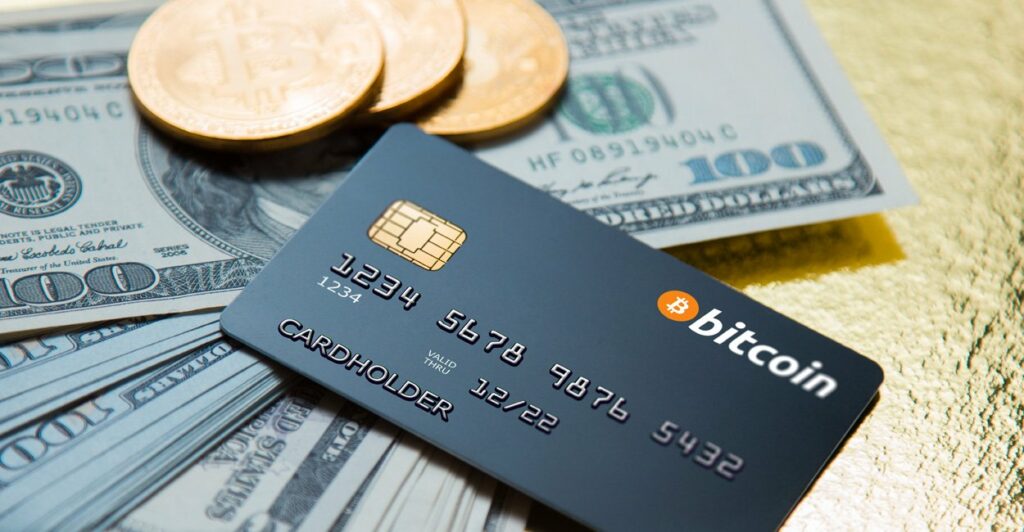
Navigating the world of cryptocurrency can be daunting, especially when considering purchasing Bitcoin with credit cards. This exploration dives into the best platforms, security considerations, and Reddit discussions surrounding this method. We’ll also explore alternative payment methods and the broader process of Bitcoin acquisition.

This comprehensive guide will help you understand the intricacies of buying Bitcoin with credit cards, providing valuable insights based on current market trends and user feedback. We’ll dissect the pros and cons of various platforms, highlighting key factors like fees, security, and user experience. Crucially, we’ll examine the wisdom and warnings shared within the Reddit community, providing a valuable layer of real-world perspective.

Overview of Bitcoin Purchasing with Credit Cards

Buying Bitcoin with a credit card is a convenient option for many, offering a streamlined way to acquire cryptocurrency. However, it’s crucial to understand the associated processes, platforms, and potential risks. This section provides a comprehensive overview of the procedure, from selecting a platform to finalizing the transaction.

Bitcoin Purchasing Methods Using Credit Cards

Various platforms facilitate Bitcoin purchases using credit cards. These platforms often employ different methods, each with its own advantages and disadvantages. Understanding these methods helps users make informed decisions based on their needs and risk tolerance.

Platform Method Steps Pros/Cons
Crypto.com Direct Credit Card Purchase 1. Access the platform’s cryptocurrency exchange. 2. Select Bitcoin as the desired asset. 3. Input the desired amount. 4. Enter credit card details and confirm the transaction. Pros: User-friendly interface, wide range of cryptocurrencies available, relatively quick transaction times. Cons: Potential fees associated with credit card transactions, some user reviews mention issues with support.
Coinbase Linked Credit Card for Purchases 1. Create an account and verify identity. 2. Link your credit card to your Coinbase account. 3. Navigate to the Bitcoin purchase section. 4. Specify the amount of Bitcoin to buy. 5. Review and confirm the transaction. Pros: Widely recognized platform, generally secure, established reputation. Cons: Limited selection of payment methods, may not be the most cost-effective method for high-volume transactions.
LocalBitcoins Peer-to-peer Trading 1. Find a seller offering Bitcoin for sale. 2. Negotiate the price and payment method (often credit card). 3. Confirm the transaction and exchange details with the seller. 4. Receive Bitcoin to your designated wallet. Pros: Potentially lower fees compared to some exchange platforms. Cons: Involves dealing with individuals, requiring extra caution to ensure legitimacy, security of funds is the responsibility of both parties.
Other Exchanges Varied Methods Methods vary depending on the exchange platform. Many allow direct credit card purchases, often requiring verification steps. Pros/Cons depend on specific exchange. Some exchanges might have more favorable fees, others may have limited credit card options.

Typical Steps in the Bitcoin Purchase Process

The steps involved in purchasing Bitcoin with a credit card typically follow a similar pattern across various platforms. This process, though straightforward, requires attention to detail to ensure a secure and successful transaction.

  • Account Creation and Verification: Creating a verified account is paramount. This usually involves providing personal information and completing identity verification. This is a crucial security measure to prevent fraudulent activities.
  • Linking Credit Card: Users link their credit card to the platform, enabling transactions. Platforms often implement measures to protect sensitive credit card data.
  • Selecting Bitcoin: Users choose Bitcoin as the desired cryptocurrency for purchase. The amount to be purchased is specified.
  • Reviewing and Confirming Transaction: Users review the transaction details (price, fees, etc.) before confirming the purchase. Thorough review prevents errors and potential losses.

Platforms for Bitcoin Purchases with Credit Cards

Purchasing Bitcoin with credit cards has become increasingly accessible. Numerous platforms facilitate this process, each with its own set of features and drawbacks. Understanding these platforms and their characteristics is crucial for making informed decisions.A variety of platforms cater to different needs and preferences. Some specialize in streamlined transactions, while others prioritize robust security measures. Evaluating the fees, security protocols, and user experience is essential when choosing a platform.

Popular Platforms for Bitcoin Purchases

Several prominent platforms allow users to purchase Bitcoin using credit cards. This section Artikels some of the most popular options, providing a comparative overview of their key characteristics.

  • Crypto.com: This platform offers a comprehensive suite of cryptocurrency services, including buying and selling Bitcoin. Their credit card support is integrated into their user interface, making the process straightforward. However, fees can vary depending on the payment method and transaction volume.
  • Coinbase: A well-established cryptocurrency exchange, Coinbase provides a user-friendly platform for buying and selling Bitcoin. The credit card option is readily available and often presents competitive pricing. Security measures are robust, reflecting Coinbase’s reputation in the industry.
  • Kraken: Kraken is another prominent cryptocurrency exchange that supports credit card purchases. Kraken distinguishes itself with a wider range of cryptocurrency options compared to other platforms. While Kraken generally offers competitive pricing, potential users should compare their fees with other options.
  • Binance: A global cryptocurrency exchange, Binance is renowned for its extensive selection of cryptocurrencies and trading pairs. The platform provides a range of payment methods, including credit cards. The fees associated with credit card transactions might vary and should be carefully reviewed.

Comparative Analysis of Platforms

This table summarizes the strengths and weaknesses of each platform, highlighting differences in fees, security, and user experience.

Platform Fees Security User Experience
Crypto.com Competitive, but can fluctuate. High security standards, 2-factor authentication, and cold storage options. Intuitive interface, excellent mobile app.
Coinbase Generally competitive. Strong security measures, industry-recognized security standards. User-friendly interface, simple transaction process.
Kraken Potentially competitive, check current rates. Industry-standard security measures, robust security protocols. Well-established platform, but might have a slightly steeper learning curve compared to Coinbase.
Binance Variable, dependent on volume and transaction type. High security standards, advanced security protocols. Complex interface, but caters to advanced traders.

Different Types of Platforms

The platforms facilitating Bitcoin purchases with credit cards fall into distinct categories. These categories reflect the various approaches to managing cryptocurrencies and facilitate different levels of user experience.

  • Exchanges: Platforms like Coinbase and Kraken act as exchanges, enabling users to buy and sell Bitcoin. They typically provide a wide range of trading options and are known for their security measures. These platforms typically handle the entire transaction process from credit card payment to Bitcoin delivery.
  • Payment Processors: Some companies specialize in facilitating payments for cryptocurrencies. These platforms act as intermediaries, handling the payment processing and facilitating the transaction between the user and the cryptocurrency exchange. They might offer more straightforward transaction flows.
  • Brokers: Brokers typically act as intermediaries, facilitating trades between buyers and sellers of Bitcoin. While they may not handle credit card transactions directly, they may provide a platform for conducting these transactions through partnered exchanges.

Security Considerations When Buying Bitcoin with Credit Cards

Purchasing Bitcoin with credit cards can be a convenient method, but it also carries inherent security risks. Understanding these risks and taking appropriate precautions is crucial for protecting your financial information and investments. A well-informed approach can significantly mitigate the chances of falling victim to scams or fraudulent activities.

Risks Associated with Bitcoin Purchases Using Credit Cards

Using credit cards to buy Bitcoin involves transferring sensitive financial information to a third-party platform. This inherently exposes you to potential risks, including fraudulent activities, data breaches, and compromised accounts. Furthermore, the volatile nature of the cryptocurrency market adds another layer of risk, as price fluctuations can lead to unexpected losses.

Choosing Reputable Bitcoin Trading Platforms

Selecting a trustworthy platform is paramount to ensuring a secure transaction. Reputable platforms typically employ robust security measures, including encryption protocols and multi-factor authentication. Scrutinize a platform’s security certifications and reviews from other users. Look for platforms with clear privacy policies and a transparent track record.

Protecting Your Credit Card Information

Protecting your credit card information during the purchase process is vital. Always use secure and encrypted websites for transactions. Avoid using public Wi-Fi networks for sensitive financial transactions. Be cautious of suspicious emails or requests for personal information. Monitor your credit card statements diligently for any unauthorized charges.

Scams and Fraudulent Activities Related to Bitcoin Purchases

Various scams target Bitcoin buyers using credit cards. Phishing scams often involve deceptive emails or websites mimicking legitimate platforms. Fake Bitcoin investment schemes promise unrealistic returns while ultimately defrauding investors. Be wary of unsolicited offers and promotions that seem too good to be true. Verify the legitimacy of any platform or individual before sharing your financial information.

Security Best Practices

  • Verify Platform Legitimacy: Thoroughly research any platform before using it. Check for security certifications, positive user reviews, and transparent privacy policies. A legitimate platform will clearly display contact information and security measures.
  • Use Secure Connections: Always use a secure website (HTTPS) for transactions. Look for the padlock icon in the browser address bar. Avoid using public Wi-Fi networks for Bitcoin purchases, as these connections are less secure.
  • Strong Passwords and Authentication: Create strong passwords and enable multi-factor authentication (MFA) on your accounts to add an extra layer of security. This will help prevent unauthorized access if your password is compromised.
  • Regular Account Monitoring: Regularly check your account statements for any unusual activity or unauthorized transactions. This will help you identify and address any potential security breaches promptly.
  • Avoid Suspicious Contacts: Be wary of unsolicited emails, messages, or calls requesting your financial information. Do not click on links from unknown sources. Verify the legitimacy of any platform or individual before sharing your financial details.

Reddit Discussions about Bitcoin Purchases

Reddit provides a valuable forum for users to discuss Bitcoin purchasing methods, including those involving credit cards. Users often share their experiences, concerns, and recommendations, creating a rich dataset for understanding the landscape of Bitcoin acquisition. This section analyzes these discussions to highlight common themes and recommended platforms.

Common Concerns and Advice

Reddit threads frequently feature discussions surrounding the security and reliability of different Bitcoin purchasing platforms that accept credit cards. Users express concerns about potential scams, transaction fees, and the security of their personal financial information. A significant portion of the advice shared focuses on thorough research and platform reviews before making a purchase.

  • Security and Scams: Users often express concern about fraudulent platforms and potential scams. They emphasize the importance of verifying platform legitimacy through independent research, reviews, and checking for reputable security measures.
  • Transaction Fees and Costs: Transaction fees associated with credit card purchases of Bitcoin are frequently discussed. Users often compare fees across different platforms and look for ways to minimize these costs.
  • Platform Reliability and Support: The reliability of the platform and the availability of customer support are important factors. Users look for platforms with positive reviews, quick response times, and clear policies.
  • User Experience and Interface: Ease of use and a user-friendly interface are frequently mentioned. Users often discuss the simplicity or complexity of the platform’s purchasing process.

Frequently Recommended Platforms

Based on the analysis of Reddit threads, certain platforms consistently receive positive feedback and recommendations. These recommendations often stem from a combination of user experiences, security ratings, and transaction history.

  • Coinbase: Coinbase is frequently cited as a reputable and widely recognized platform for Bitcoin purchases. Its user-friendly interface and established presence contribute to its popularity.
  • Kraken: Kraken is another platform frequently mentioned, often praised for its robust security measures and advanced features. Its strong security measures are a major factor in user recommendations.
  • Gemini: Gemini is frequently recommended for its user-friendly interface and reputation for security. Its platform is often cited as user-friendly and easy to navigate.
  • Other platforms: While the above are frequently mentioned, other platforms like LocalBitcoins and various exchanges are also discussed, but less frequently receive the same level of positive feedback as the previously mentioned platforms.

Alternatives to Buying Bitcoin with Credit Cards

Purchasing Bitcoin with credit cards can be convenient but may come with higher fees and potentially less security compared to other methods. Exploring alternative payment methods offers diverse options and often enhances the overall transaction experience. This section delves into various alternatives, outlining their advantages and disadvantages to empower informed decision-making.

Bank Transfers

Bank transfers, utilizing services like SWIFT or SEPA, are a common way to move funds. This method often involves transferring funds directly from your bank account to a Bitcoin exchange or wallet.

Advantages: Bank transfers are generally secure, relying on established financial infrastructure. They can be cost-effective, particularly when utilizing your own bank’s domestic transfer system. This method often offers greater control over the transaction compared to other methods.

Disadvantages: Transfer times can vary, depending on the bank and the destination. There may be processing fees associated with the transfer, which should be verified before initiating the transfer. International transfers often carry higher fees and longer processing times.

Cryptocurrency Exchanges

Many exchanges facilitate the exchange of different cryptocurrencies, including Bitcoin. This often involves using other cryptocurrencies to purchase Bitcoin. Users can trade their existing crypto holdings for Bitcoin directly within the exchange platform.

Advantages: This method offers flexibility, allowing users to leverage their existing crypto assets for purchasing Bitcoin. Exchanges often offer diverse trading features, including limit orders and market orders. This method is often preferred by experienced cryptocurrency traders.

Disadvantages: Fees for trading on exchanges can vary and may include trading fees and network fees. The security of the exchange itself plays a crucial role in protecting user funds. Security breaches can lead to substantial losses.

Other Payment Methods

Other methods, like debit cards or pre-paid cards, can also be used to buy Bitcoin. These are usually processed through a payment gateway that facilitates the conversion to Bitcoin.

Advantages: Some offer convenience and accessibility to users. These options may be suitable for those who prefer to use existing payment methods.

Disadvantages: Fees and security risks associated with these methods are not always transparent and can vary significantly between providers. Users may experience delays in processing, potentially affecting the timely acquisition of Bitcoin.

Comparison Table

Method Pros Cons Ease of Use
Bank Transfers Secure, potentially cost-effective, good control Variable transfer times, processing fees, international transfers can be costly Moderate
Cryptocurrency Exchanges Flexible, diverse trading features, leverage existing crypto Fees (trading and network), exchange security risks High (for experienced users)
Other Payment Methods Potential convenience, access to existing methods Variable fees, security risks, potential delays Moderate

Buying Bitcoin in General

Acquiring Bitcoin, a digital asset, involves a process distinct from traditional financial transactions. Understanding the different avenues for purchase is crucial for a safe and informed investment strategy. This section details the overall procedure and various methods for obtaining Bitcoin.The general process of acquiring Bitcoin involves selecting a platform, initiating a transaction, and confirming the ownership of the cryptocurrency.

This process, while seemingly straightforward, necessitates careful consideration of security measures and platform reliability.

Methods of Acquiring Bitcoin

Different methods exist for purchasing Bitcoin, each with its own advantages and disadvantages. These options cater to diverse needs and preferences, ranging from established exchanges to peer-to-peer marketplaces.

  • Exchanges: Centralized exchanges are popular platforms that facilitate the buying and selling of Bitcoin. They often provide a user-friendly interface, a wide range of trading options, and potentially lower fees compared to other methods. Examples include Coinbase, Kraken, and Binance. However, relying on a centralized entity introduces certain risks regarding security and platform stability.
  • Brokers: Brokers offer a similar service to exchanges but often integrate Bitcoin trading into a broader financial portfolio. These platforms might have lower transaction fees and offer additional financial services. However, the level of trading flexibility and customization might be less extensive than with dedicated Bitcoin exchanges.
  • Peer-to-Peer (P2P) Platforms: These platforms connect buyers and sellers directly, allowing for transactions outside the conventional exchange structure. This can potentially lead to lower fees, but the lack of platform oversight introduces greater security risks for users. It’s essential to thoroughly verify the identity of the seller and employ robust security protocols when using these platforms.

Choosing Secure Platforms and Protecting Personal Information

Selecting secure platforms is paramount when purchasing Bitcoin. The security of your funds and personal information directly correlates with the platform’s reputation, security measures, and regulatory compliance.

  • Platform Reputation: Researching a platform’s history, user reviews, and security measures is crucial. Look for platforms with a proven track record of security and reliability. A platform’s security measures should be clearly Artikeld and regularly audited. Consider the platform’s compliance with relevant regulations.
  • Security Measures: Secure platforms implement robust security protocols, including two-factor authentication (2FA), encryption, and secure storage. Be wary of platforms that lack detailed information about their security measures. Look for platforms that utilize industry-standard security protocols.
  • Protecting Personal Information: Protecting your personal information is crucial. Never share sensitive data with unverified parties. Use strong passwords, enable two-factor authentication, and be cautious about suspicious emails or messages. Be wary of phishing scams that aim to steal your login credentials.

Illustrative Examples of Bitcoin Purchase Processes

Purchasing Bitcoin with a credit card, while readily available, comes with its own set of considerations. Understanding the step-by-step process on various platforms is crucial for a smooth and secure transaction. This section provides practical examples of Bitcoin purchase procedures, highlighting key steps and potential pitfalls to avoid.Different platforms have varying interfaces, but the fundamental process usually involves registration, funding, and executing the purchase order.

Knowing the platform’s specific procedures will allow for a more efficient and controlled transaction.

Example Purchase Process on Coinbase

The Coinbase platform, a popular choice for cryptocurrency trading, offers a user-friendly interface for purchasing Bitcoin. The following steps detail a typical purchase process.

  • Account Creation and Verification: Users must create an account, providing necessary personal information for verification. This step is crucial for security and compliance. Verification typically involves uploading identification documents like a government-issued ID and proof of address. This ensures the platform adheres to regulatory requirements and protects user accounts from unauthorized access.
  • Funding the Account: After account verification, users need to fund their Coinbase account. Coinbase supports various funding methods, including credit cards. Selecting the credit card option will lead to a designated section for entering the payment details.
  • Bitcoin Purchase Order: Once the account is funded, users can initiate a Bitcoin purchase order. This involves selecting the desired amount of Bitcoin to buy and confirming the transaction details. The platform displays the current Bitcoin price and the total cost, allowing for clear visibility of the transaction.
  • Transaction Confirmation and Completion: After reviewing the purchase order, users need to confirm the transaction. This confirmation step often involves a two-factor authentication process, adding an extra layer of security to prevent unauthorized transactions. Upon successful confirmation, the Bitcoin will be credited to the user’s account, and the transaction will be completed.

Visual Representation of Steps

Although I cannot display images, imagine a Coinbase interface. The first screen would show a clear prompt for account creation, followed by fields for personal information input. Next, there would be a section for credit card details, clearly labeled and secure. The purchase order would display the chosen amount, current Bitcoin price, and total cost, all in a user-friendly format.

The confirmation screen would reiterate the transaction details, and the final screen would display the successful transaction with the Bitcoin credited to the account.

Important Considerations

Understanding the platform’s specific terms and conditions is essential. Always review the fees associated with credit card purchases and the platform’s security measures. Furthermore, be mindful of potential risks associated with credit card transactions and take precautions to safeguard your personal information. Familiarize yourself with the platform’s refund policies in case of any disputes.

Summary

In conclusion, purchasing Bitcoin with credit cards presents a blend of convenience and risk. Careful consideration of platforms, security measures, and fees is paramount. While Reddit offers valuable insights, ultimately, the best choice depends on individual risk tolerance and financial goals. Alternatives like bank transfers offer different advantages, but credit card purchases remain a popular and convenient option for many.

This guide aims to equip you with the knowledge to make informed decisions in the cryptocurrency market.

FAQ Overview

What are some common scams related to Bitcoin purchases?

Be wary of platforms promising unusually high returns or requiring unusual amounts of upfront payment. Always verify the legitimacy of the platform and its security measures before proceeding. Be cautious of unsolicited messages or private messages offering unusually good deals.

How do bank transfers compare to credit card purchases for Bitcoin?

Bank transfers are generally slower than credit card purchases but typically have lower fees. Credit cards offer convenience but may involve higher transaction costs and potentially higher interest rates if not managed carefully. Consider your financial situation and preferences when choosing.

What are the typical transaction fees associated with buying Bitcoin using credit cards?

Transaction fees vary significantly depending on the platform and the amount being purchased. Some platforms charge a flat fee, while others may apply a percentage-based fee. Thoroughly review the platform’s fee structure before making a purchase.

Are there any specific steps I should take to protect my credit card information during a Bitcoin purchase?

Always use secure websites and ensure the platform’s security measures are robust. Never share your credit card information with anyone unless you’re absolutely certain about their legitimacy. Monitor your credit card statements regularly for any unauthorized activity.

Purchasing Bitcoin using credit cards has become increasingly popular, but navigating the process can be daunting. This guide provides a comprehensive overview of the advantages and disadvantages, outlining the various methods, security considerations, and potential risks. We’ll explore different exchange platforms, fees, and alternative acquisition strategies, offering a clear picture of this evolving financial landscape.

From the initial stages of Bitcoin’s creation to the current regulatory landscape, understanding the history and evolution of Bitcoin is essential for informed decision-making. We’ll also delve into future predictions, discussing potential advancements and challenges in the market.

Introduction to Bitcoin Purchases

Bitcoin, a decentralized digital currency, operates independently of central banks and traditional financial institutions. Its unique structure relies on cryptography for security and peer-to-peer transactions. This decentralized nature is a key differentiator, though it also presents certain complexities for users unfamiliar with the technology.Acquiring Bitcoin involves several methods, each with its own set of advantages and disadvantages. Understanding these methods is crucial for informed investment decisions.

The use of credit cards for Bitcoin purchases is one popular, albeit controversial, option. This method allows immediate access to Bitcoin but carries specific risks and rewards that need careful consideration.

Bitcoin Acquisition Methods

Various methods exist for acquiring Bitcoin, including direct purchases from exchanges, peer-to-peer (P2P) trading platforms, and even earning it through specific crypto mining activities. The choice of method depends on individual circumstances and risk tolerance.

Bitcoin Purchase with Credit Cards

Purchasing Bitcoin using credit cards is a convenient method that allows immediate access to the cryptocurrency. However, this approach often comes with higher fees and potential risks associated with credit card usage. The transaction typically involves converting credit card funds into fiat currency, then exchanging that fiat currency for Bitcoin.

Advantages and Disadvantages of Credit Card Purchases

  • Advantages: Ease of use and speed of transaction are significant advantages. The immediate availability of Bitcoin can be particularly attractive, especially for those needing Bitcoin quickly. The convenience of a familiar payment method makes it readily accessible to a broader user base.
  • Disadvantages: High transaction fees are a common drawback. Credit card providers may charge fees for processing crypto transactions. Moreover, the volatility of Bitcoin’s price can lead to significant losses if the price drops between the time of purchase and withdrawal.

Bitcoin Exchange Platforms and Credit Card Support

The availability of credit card support for Bitcoin purchases varies across different exchange platforms. This is due to differing policies and security protocols. This table summarizes the credit card support for several popular exchanges.

Exchange Platform Credit Card Support
Coinbase Yes, but with limitations
Binance Yes, with specific card types supported
Kraken Yes, for selected regions and card types
Gemini Yes
Bitstamp Yes, for specific card types

Note: This table provides a snapshot of current support; policies can change. Always verify directly with the exchange for the most up-to-date information.

History of Bitcoin

Bitcoin emerged as a revolutionary concept in 2009, spearheaded by the pseudonymous Satoshi Nakamoto. The initial goal was to create a decentralized digital currency, independent of traditional financial systems. The history of Bitcoin is marked by periods of rapid growth and volatility, as the technology gained widespread adoption and speculation.

Purchasing Bitcoin with Credit Cards

Buying Bitcoin with a credit card is a convenient method for many users. However, it’s crucial to understand the process, associated fees, and security protocols involved to make informed decisions. This section delves into the intricacies of credit card-based Bitcoin purchases.The process of buying Bitcoin with a credit card typically involves selecting a Bitcoin exchange that supports this payment method.

Users provide their credit card details, specify the amount of Bitcoin they wish to purchase, and confirm the transaction. The exchange verifies the transaction and, upon successful authorization, delivers the Bitcoin to the user’s designated wallet.

Credit Card Processing Fees and Charges

Bitcoin exchanges often levy fees for credit card transactions. These fees can vary significantly depending on the exchange and the credit card issuer. Transaction fees are often expressed as a percentage of the purchase amount, or a fixed amount per transaction. Exchange-specific fees are typically displayed prominently on the exchange’s platform. Additional fees, such as network transaction fees, may also apply.

Comparison of Bitcoin Exchanges and Credit Card Options

Various Bitcoin exchanges offer credit card purchase options, each with its own terms and conditions. Some exchanges may partner with specific credit card networks, while others may accept a wider range of cards. Comparing the fees, transaction limits, and overall user experience across different exchanges is essential for finding the most suitable platform.

Security Measures in Credit Card Transactions

Security is paramount when using credit cards to buy Bitcoin. Reputable Bitcoin exchanges employ robust security measures to protect user data and funds. These measures often include advanced encryption technologies, secure payment gateways, and regular security audits.

Security Protocols Used by Different Exchanges

Exchange Security Protocols
Exchange A Secure Sockets Layer (SSL) encryption, two-factor authentication (2FA), regular security audits, and PCI DSS compliance.
Exchange B Advanced encryption protocols, transaction monitoring systems, cold storage for cryptocurrency reserves, and dedicated security teams.
Exchange C Multi-layered security, including encryption protocols, IP address verification, transaction logs, and robust fraud detection systems.

Note: This table provides a general overview. Specific security protocols may vary, and users should always consult the exchange’s official security policies for the most up-to-date information. A user’s due diligence is critical when evaluating an exchange’s security measures.

Alternatives to Buying Bitcoin with Credit Cards

Beyond credit cards, several alternative methods exist for acquiring Bitcoin. These options cater to diverse needs and preferences, offering varying levels of convenience, security, and cost. Understanding these alternatives is crucial for making informed decisions about how to acquire Bitcoin.

Bank Transfers and Wire Transfers

Bank transfers and wire transfers provide a traditional method for moving funds. They often involve a direct transfer from your bank account to a Bitcoin exchange or wallet. While generally secure, the process can be slower than other methods, often taking several business days. The transaction fees can also vary based on the specific bank and transfer method.

Peer-to-Peer (P2P) Exchanges

P2P exchanges connect buyers and sellers directly, enabling transactions outside traditional exchanges. This method can provide more control over the transaction and potentially lower fees compared to exchanges. However, it also introduces a higher level of risk due to the direct interaction between parties. Thorough verification of the counterparty is essential for mitigating this risk. A key advantage is the ability to potentially negotiate prices and avoid the fees associated with exchange platforms.

A significant drawback is the inherent risk of dealing with unknown individuals.

Bitcoin ATMs

Bitcoin ATMs offer a convenient, readily available option for purchasing Bitcoin. They provide a physical interface for buying and selling Bitcoin using cash. The process is typically straightforward and allows for instant transactions. However, Bitcoin ATMs often come with higher fees compared to other methods and may have limitations in terms of transaction amounts. The availability of Bitcoin ATMs can vary geographically.

Other Exchange Methods

Numerous exchanges facilitate Bitcoin purchases using various payment methods, including bank transfers, debit cards, and other payment options. These exchanges provide a centralized platform for buying and selling Bitcoin, offering a degree of security and reliability. However, fees and transaction times can vary significantly between exchanges. Exchange selection depends on the user’s specific requirements and preferences.

Comparison Table of Bitcoin Purchase Methods

Method Pros Cons Speed Ease
Credit Cards Convenience, wide availability Higher fees, potential security risks Fast High
Bank Transfers/Wire Transfers Generally secure, potentially lower fees Slow transaction times Slow Moderate
P2P Exchanges Potentially lower fees, direct control Higher risk of scams, requires verification Variable Moderate
Bitcoin ATMs Convenience, cash transactions Higher fees, limited amounts, geographic availability Fast High
Other Exchanges Centralized platform, security, variety of payment options Fees, transaction times vary Variable Moderate

Best Alternative Based on Use Cases

The optimal alternative depends on individual needs. For users prioritizing speed and ease of use, credit cards or Bitcoin ATMs might be suitable. For those concerned with security and potentially lower fees, bank transfers or reputable exchanges could be better choices. P2P transactions offer a potential for lower fees, but higher risk. Understanding the strengths and weaknesses of each method is key to selecting the most appropriate approach for acquiring Bitcoin.

List of Bitcoin Purchase Methods

  • Credit Cards
  • Bank Transfers
  • Wire Transfers
  • Peer-to-Peer (P2P) Exchanges
  • Bitcoin ATMs
  • Other Exchanges (e.g., Coinbase, Kraken)

Buying Bitcoin

Bitcoin, a decentralized digital currency, can be acquired through various methods. Understanding these methods, their security implications, and associated costs is crucial for any potential buyer. This section details the different avenues for purchasing Bitcoin, highlighting the procedures and security considerations.

Different Types of Bitcoin Purchases

Acquiring Bitcoin involves several methods, each with unique characteristics and potential risks. The most common approaches include exchange platforms, peer-to-peer (P2P) marketplaces, and over-the-counter (OTC) deals.

Exchange Platforms

Exchanges are centralized platforms that facilitate the buying and selling of Bitcoin and other cryptocurrencies. These platforms often offer user-friendly interfaces and a wide range of payment options, including credit cards, bank transfers, and other digital wallets.

  • Procedure: Typically, users create an account, fund their account with fiat currency, and then place an order to buy Bitcoin at a specified price. The transaction is processed by the exchange, and the Bitcoin is deposited into the user’s designated wallet.
  • Security: Security on exchanges varies significantly. Users should choose reputable exchanges with robust security measures, including two-factor authentication and cold storage for holding funds. Users must protect their login credentials and be cautious of phishing scams.
  • Cost: Transaction fees are generally charged by the exchange, and these fees can vary depending on the exchange, the payment method, and the volume of the transaction. Exchange fees, along with potential spreads between the buy and sell prices, contribute to the overall cost.

Peer-to-Peer (P2P) Marketplaces

P2P platforms connect buyers and sellers directly, enabling transactions outside the regulated exchange environment. This method often allows for greater flexibility in pricing and transaction terms.

  • Procedure: Users on P2P platforms typically initiate a transaction by specifying the amount of Bitcoin they wish to purchase and the payment method. The seller then reviews the request and, if accepted, details the transaction specifics, including the payment instructions.
  • Security: P2P transactions involve a higher degree of risk compared to exchange platforms. Users must exercise caution in verifying the seller’s legitimacy and conduct transactions in a secure manner, employing secure payment methods and protecting personal information.
  • Cost: Costs associated with P2P transactions are primarily determined by the seller’s pricing. Buyers should research and compare prices before engaging in any transaction. There might also be fees related to the payment methods used.

Over-the-Counter (OTC) Deals

OTC transactions typically involve direct negotiation between buyers and sellers, usually for larger volumes. These transactions are less regulated than exchange or P2P platforms.

  • Procedure: OTC transactions involve direct communication between the buyer and seller. The parties agree on the price and terms of the transaction, often via email or messaging apps. The payment and delivery of Bitcoin are handled directly.
  • Security: OTC transactions involve a high degree of risk due to the lack of intermediary protection. Buyers must meticulously verify the seller’s identity and conduct the transaction through secure channels.
  • Cost: OTC transactions can have varying costs depending on the negotiated price and terms. Negotiation is key in determining the overall transaction cost.

Comparison Table

Feature Exchange Platforms P2P Marketplaces OTC Deals
Security Generally higher Lower Lowest
Transaction Speed Faster Variable Slowest
Pricing Flexibility Limited Higher Highest
Regulation Higher Lower Lowest

Security and Risks

Buy Bitcoin with Credit Card: KYC Requirements Explained

Purchasing Bitcoin with credit cards, while convenient, introduces several potential security and financial risks. Users must understand these risks and take appropriate precautions to safeguard their funds and personal information. This section Artikels the dangers and provides strategies for mitigating them.

Credit Card Risks

Using credit cards for Bitcoin purchases can expose users to fraud and unauthorized transactions. Credit card details, if compromised, can be used to make unauthorized Bitcoin purchases. Moreover, disputes with the card issuer can sometimes be difficult and time-consuming, and may not always result in the recovery of funds.

Security Measures

Implementing robust security measures is crucial when buying Bitcoin. Use a reputable and secure Bitcoin exchange or platform. Ensure the platform employs strong encryption to protect user data. Verify the platform’s security credentials and read reviews before committing to a purchase. Employ strong passwords and enable two-factor authentication wherever possible.

Financial Risks

Bitcoin’s volatile nature introduces significant financial risk. The price of Bitcoin can fluctuate dramatically, leading to substantial losses for investors. There’s also the risk of scams and fraudulent activities. It is essential to understand that Bitcoin purchases are not always reversible and that investments can be lost.

Examples of Bitcoin Scams

Numerous scams target Bitcoin investors. One common scam involves fraudulent websites that mimic legitimate Bitcoin exchanges. These sites may steal users’ credentials or funds. Phishing scams, where malicious actors try to trick users into revealing their login information, are also prevalent. There are also investment scams promising high returns on Bitcoin investments, which often result in significant financial losses.

Identifying and Avoiding Scams

To avoid Bitcoin scams, be wary of websites or platforms that seem too good to be true. Always verify the legitimacy of a website or platform before sharing any personal information or making any transactions. Be cautious of unsolicited offers or messages promising high returns. Look for legitimate Bitcoin exchanges with strong security measures. Always independently verify the information presented before making a purchase.

Seek out reputable sources for information about Bitcoin and related topics. Conduct thorough research before engaging in any transactions or investments. Verify the credentials of the platform and its representatives, and do not share personal information unless you are certain of the platform’s legitimacy. Thoroughly examine the platform’s privacy policy, terms and conditions, and security practices.

Regulations and Compliance

Bitcoin purchases, like traditional financial transactions, are subject to various regulations and compliance requirements. These rules are designed to protect consumers, prevent illicit activities, and ensure market stability. Understanding these regulations is crucial for both buyers and sellers of Bitcoin.

Current Regulations Surrounding Bitcoin Purchases

Current regulations concerning Bitcoin purchases are complex and vary significantly across jurisdictions. Many countries are still developing comprehensive frameworks for cryptocurrencies, leading to a patchwork of rules and enforcement. This lack of consistent global standards creates challenges for both individuals and businesses operating in the cryptocurrency market. Furthermore, the evolving nature of the technology necessitates constant adaptation and refinement of regulatory approaches.

Legal Considerations for Different Countries

The legal landscape surrounding Bitcoin varies considerably from country to country. Some jurisdictions have explicitly prohibited or restricted Bitcoin transactions, while others have adopted more neutral or permissive approaches. For instance, certain countries may view Bitcoin as a currency, while others might classify it as a commodity or security. These distinctions have significant implications for tax obligations, regulatory oversight, and enforcement procedures.

It is crucial to consult with legal professionals familiar with the local regulations in the specific jurisdiction to determine the legal implications of Bitcoin transactions.

Compliance Requirements for Bitcoin Exchanges

Bitcoin exchanges face stringent compliance requirements, aiming to prevent money laundering and other financial crimes. These requirements often include Know Your Customer (KYC) procedures, Anti-Money Laundering (AML) protocols, and record-keeping obligations. Exchanges are required to verify the identities of their users, monitor transactions for suspicious activity, and report suspicious transactions to relevant authorities. This stringent approach is essential for maintaining the integrity and security of the cryptocurrency market.

Examples of Regulatory Frameworks for Bitcoin Transactions

Different jurisdictions have adopted various regulatory frameworks for Bitcoin transactions. For example, some countries have established specific licensing requirements for Bitcoin exchanges, while others have focused on broader financial regulations that encompass cryptocurrencies. These frameworks often address issues such as taxation, anti-money laundering, and consumer protection. For instance, the European Union has adopted regulations to harmonize the treatment of cryptocurrencies across member states, though these regulations may still be subject to evolution.

How to Verify the Compliance of Bitcoin Exchanges

Verifying the compliance of a Bitcoin exchange involves several key steps. Firstly, research the exchange’s regulatory compliance status and licensing. Review the exchange’s KYC and AML procedures. Assess the exchange’s transparency regarding its compliance practices. Check for independent reviews or audits of the exchange’s compliance.

Finally, scrutinize user reviews and reports of past experiences. Thorough due diligence is crucial in ensuring that an exchange adheres to the necessary compliance requirements.

Future Trends

The landscape of Bitcoin and its accessibility through credit cards is dynamic and constantly evolving. Predicting the precise future is impossible, but examining current trends and expert opinions offers valuable insights into potential trajectories. Technological advancements and regulatory developments will significantly shape the future of Bitcoin transactions and their integration with mainstream financial systems.The future of Bitcoin purchases with credit cards will likely be influenced by a confluence of factors, including regulatory changes, technological advancements, and market acceptance.

A deeper understanding of these factors is crucial for anyone seeking to navigate the evolving Bitcoin landscape.

Potential Technological Advancements

Several technological advancements could reshape Bitcoin transactions. Improved security protocols, such as enhanced encryption and multi-factor authentication, will be crucial to mitigating risks. The development of more user-friendly interfaces and mobile applications will increase accessibility for a wider audience. Integration with existing payment systems, such as enabling seamless Bitcoin transactions within popular e-commerce platforms, could further mainstream adoption.

Furthermore, advancements in blockchain technology itself, such as scaling solutions and enhanced transaction speeds, will impact the practicality and efficiency of Bitcoin purchases.

Regulatory Landscape Evolution

Regulatory frameworks surrounding cryptocurrency transactions are constantly evolving globally. Clearer regulations and standardization in various jurisdictions will be vital for fostering trust and facilitating wider adoption. The establishment of clear guidelines for credit card providers processing Bitcoin transactions is expected to play a critical role. The evolving regulatory landscape will influence both the availability and security of these services.

This necessitates ongoing vigilance and adaptability in navigating the complexities of compliance and legal requirements.

Market Acceptance and Adoption

The degree of market acceptance and widespread adoption will be a key driver of future trends. Increased mainstream acceptance could lead to wider integration of Bitcoin into everyday financial transactions. The integration of Bitcoin into existing financial systems, including its use in various sectors such as retail, will influence the growth of credit card purchases. Increased consumer awareness and education about Bitcoin will drive further adoption.

This will be crucial in fostering a more informed and engaged user base. For example, as Bitcoin becomes more mainstream, we might see it incorporated into reward programs or loyalty schemes, making it an even more attractive option for everyday transactions.

Challenges and Opportunities

Several challenges and opportunities will impact the future of Bitcoin purchases. Volatility in the Bitcoin market remains a significant concern, potentially impacting the stability and predictability of transactions. The need for robust security measures to protect against fraud and theft will be paramount. The emergence of new technologies, such as decentralized finance (DeFi), presents exciting opportunities for innovative Bitcoin transaction methods, opening up new avenues for investment and transactions.

However, it is important to acknowledge that the inherent risks associated with these new technologies need to be addressed through effective security measures. For instance, the increased adoption of DeFi platforms may necessitate a more nuanced approach to regulatory oversight and consumer protection.

Expert Opinions

Numerous experts predict a continued growth in Bitcoin’s popularity and acceptance. Some analysts believe that Bitcoin transactions will become more integrated into mainstream financial systems, leading to a more seamless experience for consumers. Others suggest that the development of new technologies, like Lightning Network, will play a crucial role in enhancing transaction speeds and lowering fees. This will likely translate into a more user-friendly experience for consumers.

The overall consensus is that Bitcoin’s future is intertwined with its ability to adapt to changing regulatory landscapes and technological advancements.

Final Thoughts

In conclusion, buying Bitcoin with credit cards presents a blend of opportunities and risks. This guide has explored the various aspects of this process, including the different methods, fees, security protocols, and alternative acquisition options. Ultimately, understanding the intricacies of this market is key to making informed financial decisions. By considering the security measures, potential risks, and regulatory frameworks, you can navigate this digital asset space more confidently.

Question Bank

Is it safe to buy Bitcoin with a credit card?

While using credit cards for Bitcoin purchases is convenient, security is paramount. Always choose reputable exchanges with robust security measures. Be wary of suspicious websites or offers, and ensure your credit card details are protected. Understand the risks and implement best practices to mitigate potential financial losses.

What are the typical fees associated with buying Bitcoin with credit cards?

Fees vary depending on the exchange platform and the credit card used. Some exchanges may charge a transaction fee, while others may not. Additionally, your credit card issuer might impose fees or interest on the transaction. Always review the terms and conditions of both the exchange and your credit card.

Are there any alternatives to buying Bitcoin with credit cards?

Yes, several alternatives exist, such as using bank transfers, peer-to-peer (P2P) exchanges, or purchasing Bitcoin through other digital wallets. Each method has its own set of advantages and disadvantages in terms of speed, cost, and security. Consider your specific needs and circumstances when choosing an alternative.

What are the current regulations surrounding Bitcoin purchases?

Regulations vary by country. Some jurisdictions have specific guidelines regarding Bitcoin transactions, while others are still developing their regulatory frameworks. It’s crucial to research the applicable regulations in your region before engaging in any Bitcoin transactions.

The integration of digital currencies like Bitcoin with mainstream payment methods is rapidly evolving. This guide delves into the specifics of using Zelle to acquire Bitcoin, exploring various aspects from transaction processes to security measures. We’ll examine the pros and cons of this method, alongside broader Bitcoin acquisition strategies.

Understanding the complexities of buying Bitcoin via Zelle is crucial for any interested party. This guide will illuminate the intricacies of this process, providing practical knowledge and fostering a clearer understanding of the associated risks and benefits.

Bitcoin Buying Methods

Acquiring Bitcoin involves various methods, each with its own advantages and disadvantages. Understanding these options allows you to choose the approach that best aligns with your risk tolerance and financial situation. Different methods offer varying levels of security and convenience.

Traditional Methods

Traditional methods for buying Bitcoin, like bank transfers and credit cards, provide familiar payment processes. These methods are often accessible through established platforms, making them a straightforward option for many users. However, they might come with fees and limitations depending on the specific financial institution or platform.

  • Bank Transfer: This method involves transferring funds from your bank account to a Bitcoin exchange or wallet. It’s a relatively straightforward process, but transaction times can vary. Security is paramount; ensure the platform you use employs robust security measures to protect your funds.
  • Credit Card: Using credit cards to buy Bitcoin is another widely accessible method. However, it’s important to be aware that transaction fees and potential restrictions from your card issuer may apply. Be sure to understand the specific terms and conditions associated with using your credit card for Bitcoin purchases.

Alternative Methods

Alternative methods for acquiring Bitcoin, such as cryptocurrency exchanges and peer-to-peer platforms, offer diverse options and varying levels of control over transactions. These methods can cater to specific needs, but also introduce unique security considerations.

  • Cryptocurrency Exchanges: Cryptocurrency exchanges are platforms specifically designed for buying, selling, and trading cryptocurrencies. They often offer a wide selection of cryptocurrencies and advanced trading tools. However, the security of your funds is contingent on the exchange’s security protocols, which is crucial to investigate thoroughly.
  • Peer-to-Peer Platforms: Peer-to-peer (P2P) platforms connect buyers and sellers directly, facilitating transactions outside of centralized exchanges. This direct approach can potentially offer lower fees compared to exchanges, but security is entirely the buyer’s and seller’s responsibility. Careful vetting of the counterparty is vital.

Buying Bitcoin with Zelle

Zelle is a mobile payment network enabling person-to-person transfers. While Zelle isn’t directly designed for buying Bitcoin, it can be indirectly used. For instance, a user could send funds via Zelle to a recipient who then utilizes those funds to buy Bitcoin on a platform like Coinbase. This indirect approach is less secure than using a dedicated Bitcoin platform, as the user is transferring money through a different system.

  • Steps to Indirect Bitcoin Purchase with Zelle:
    1. Fund your Zelle account.
    2. Initiate a Zelle transfer to the recipient.
    3. Recipient uses the funds to purchase Bitcoin on a platform.

Security Considerations

Security is paramount when buying Bitcoin. Regardless of the method, robust security measures are essential to protect your funds and sensitive information. Scams and fraudulent activities are prevalent in the cryptocurrency market. Thorough research and cautious practices are crucial.

Comparison Table

Buying Method Pros Cons Security Considerations
Bank Transfer Familiar process, often low fees Potential transaction delays Verify platform security, avoid scams
Credit Card Widely accessible, convenient Fees and potential restrictions, potentially higher risk Check transaction limits, verify platform security
Cryptocurrency Exchanges Wide selection, advanced tools Fees, security dependence on the exchange Thorough exchange research, strong passwords
Peer-to-Peer Platforms Potential lower fees, direct interaction Security entirely relies on both parties, potential scams Thorough vetting of the counterparty, use secure communication
Zelle (Indirect Purchase) Ease of transferring funds Increased risk due to intermediaries, less direct control Ensure recipient’s legitimacy, use a reputable Bitcoin platform

Zelle and Bitcoin Transactions

Using Zelle to buy Bitcoin is a convenient option for many, offering a familiar digital payment method. However, understanding the process, potential risks, and transaction times is crucial for a smooth and secure experience. This method relies on a third-party intermediary, so the user must be aware of the complexities of the process.

Process of Sending Money via Zelle to Purchase Bitcoin

The process typically involves linking a bank account to a Zelle platform. Users then initiate a payment to a Bitcoin exchange or merchant that accepts Zelle payments. The Bitcoin exchange will verify the transaction and, upon successful validation, credit the buyer’s account with the equivalent Bitcoin.

Typical Transaction Times for Zelle and Bitcoin Purchases

Zelle transactions are generally swift, often settling within minutes. Bitcoin purchases, however, involve a secondary step of processing the Bitcoin transaction on the blockchain. This means that the transaction time for the Bitcoin itself can vary from a few minutes to several hours, depending on network congestion. In typical cases, a user may see the Zelle payment reflected in their account almost immediately, but the Bitcoin might take anywhere from 15 minutes to an hour to be reflected in the Bitcoin exchange’s records.

Role of Intermediaries in Bitcoin Purchases

Bitcoin exchanges or merchants that accept Zelle payments act as intermediaries. They receive the Zelle payment, convert it into Bitcoin, and credit the buyer’s account. This step introduces an extra layer of security and functionality, but the user must carefully research and select reputable intermediaries to mitigate potential risks.

Potential Risks and Challenges Associated with Zelle for Bitcoin Transactions

Security concerns are paramount. Users must be cautious about sharing sensitive financial information and ensure they are transacting with legitimate platforms. Additionally, fluctuations in Bitcoin’s value can result in losses if the user buys at a high point and sells at a low point. Potential issues with the Zelle network itself, such as technical glitches or payment failures, should also be considered.

Furthermore, the security of the Bitcoin exchange itself is critical, as any compromise could lead to a loss of funds.

Tracking Bitcoin Purchases Made via Zelle

Tracking Bitcoin purchases made via Zelle is similar to tracking other Bitcoin purchases. Users can typically access their transaction history through their Bitcoin exchange account. They should meticulously record the transaction ID, date, time, and amount to maintain a complete transaction record.

Zelle Providers and Their Bitcoin Purchasing Policies

Zelle Provider Bitcoin Purchasing Policy Typical Transaction Time (Zelle) Typical Transaction Time (Bitcoin)
PayPal (for select markets) Allows Bitcoin purchases through partnered exchanges. Generally, within minutes. Variable, depending on blockchain congestion.
Venmo Does not directly support Bitcoin purchases. N/A N/A
Cash App Allows Bitcoin purchases through partnered exchanges. Generally, within minutes. Variable, depending on blockchain congestion.
Other Zelle providers Limited support or no direct support for Bitcoin purchases. Generally, within minutes. Variable, depending on blockchain congestion.

Security and Privacy

Bitcoin purchases, even those facilitated by services like Zelle, carry inherent risks. Understanding these risks and implementing robust security measures is crucial for a safe experience. This section details the security precautions necessary when using Zelle for Bitcoin transactions, along with general best practices for protecting your Bitcoin holdings.Protecting your Bitcoin assets requires a multi-layered approach. Simple steps like choosing strong passwords and enabling two-factor authentication can significantly reduce the likelihood of unauthorized access.

This section will explore these steps in detail, providing concrete advice to mitigate potential vulnerabilities.

Security Measures When Using Zelle for Bitcoin Purchases

Proper verification and authentication are paramount when using Zelle for Bitcoin purchases. Ensure that you are transacting with a legitimate Bitcoin vendor or platform. Verify their identity and background before initiating any transactions. Be wary of unsolicited offers or deals that appear too good to be true.

Safeguarding Bitcoin Wallets and Accounts

Maintaining the security of your Bitcoin wallets and accounts is a critical aspect of safeguarding your investment. Employ strong, unique passwords for each account. Enable two-factor authentication (2FA) wherever possible. Regularly review your transaction history for any suspicious activity.

Potential Risks of Scams and Fraudulent Activities

Scammers often exploit the anonymity associated with Bitcoin transactions to carry out fraudulent activities. Be vigilant about phishing attempts, fake Bitcoin exchanges, and fraudulent promises of high returns. Never share your private keys or login credentials with anyone. Research any vendor or platform before engaging in a transaction. Look for established platforms with positive reviews and secure payment methods.

Best Practices for Secure Bitcoin Purchases Through Zelle

Maintaining a secure environment for Bitcoin transactions using Zelle involves several key best practices. Avoid using public Wi-Fi networks for sensitive transactions. Use a reputable Bitcoin exchange or vendor with strong security protocols. Use a dedicated Bitcoin wallet for your Zelle transactions to segregate funds. Keep your software updated and your antivirus protection active.

Store your private keys securely, and never share them with anyone.

Common Security Threats When Buying Bitcoin (Including Zelle Transactions)

Threat Category Specific Description Impact on Zelle Transactions Mitigation Strategies
Phishing Scammers attempt to trick users into revealing personal information like passwords and private keys. Fraudulent emails or messages posing as legitimate Zelle or Bitcoin platforms. Verify sender authenticity, avoid suspicious links, and use strong passwords.
Malware Malicious software installed on devices to steal sensitive data. Malware on a device used to access a Bitcoin exchange or wallet. Use reputable antivirus software, avoid downloading from unknown sources, and keep software updated.
Social Engineering Manipulating individuals into performing actions that compromise security. Fake customer service representatives or trusted individuals requesting private information for transactions. Verify identity, avoid sharing sensitive information, and be wary of urgent requests.
Compromised Accounts Accounts are taken over by unauthorized individuals. Accounts linked to a Bitcoin exchange or wallet, potentially used for Zelle transactions. Monitor account activity, enable 2FA, and use strong passwords.

Buying Bitcoin Generally

Bitcoin, a decentralized digital currency, is purchased through various platforms. Understanding the process, available platforms, and associated security measures is crucial for safe and effective Bitcoin transactions. This section details the overall Bitcoin buying process, highlighting key aspects for successful acquisition.The process of purchasing Bitcoin typically involves selecting a platform, creating an account, depositing funds, and executing a trade.

The specific steps may vary depending on the chosen platform. Key considerations include platform security, transaction fees, and user reviews, which are crucial for informed decision-making.

Bitcoin Buying Platforms

Various platforms facilitate Bitcoin purchases, ranging from specialized exchanges to integrated payment systems. Different platforms cater to diverse user needs and preferences. Choosing the right platform depends on factors like ease of use, security features, and transaction speed.

  • Specialized Bitcoin exchanges provide dedicated trading environments for Bitcoin and other cryptocurrencies. These exchanges often offer advanced trading tools, competitive pricing, and a broader selection of trading pairs.
  • Integrated payment systems sometimes offer Bitcoin purchasing options, often as part of a broader financial service. This integration can be convenient for users already familiar with the payment system’s interface and security protocols.

Comparing Bitcoin Exchanges

Different Bitcoin exchanges cater to various needs, offering diverse features. Comparing exchanges involves assessing security protocols, trading fees, supported payment methods, and user experience.

  • Security protocols vary across exchanges, with some employing multi-factor authentication and advanced security measures. Transaction fees also differ significantly, impacting the overall cost of a Bitcoin purchase.
  • Supported payment methods influence user accessibility, with some exchanges supporting a wider range of payment options, including credit cards and bank transfers.
  • User experience can be assessed through user reviews and testimonials, which provide insights into the platform’s ease of use, customer support, and overall performance.

Bitcoin Wallets

A Bitcoin wallet is a digital software or hardware tool that securely stores and manages Bitcoin addresses. They are essential for sending, receiving, and storing Bitcoin.

  • Bitcoin wallets play a crucial role in managing digital assets, allowing users to securely hold and transact with Bitcoin. Choosing a secure and reliable wallet is critical for safeguarding investments.

Wallet Security

Robust security measures are paramount when using Bitcoin wallets. Proper security protocols help prevent unauthorized access and loss of funds.

  • Using strong passwords and enabling two-factor authentication (2FA) significantly enhances wallet security. Regularly backing up wallets and storing backups securely are crucial steps in preventing data loss.
  • Avoiding phishing attempts and suspicious links or emails is vital. Keeping software updated and avoiding risky downloads protects against potential vulnerabilities.

Popular Bitcoin Exchanges and Their Features

The following table highlights popular Bitcoin exchanges, showcasing key features to aid in choosing the right platform.

Exchange Name Security Features Transaction Fees Supported Payment Methods
Binance Multi-factor authentication, cold storage, advanced security protocols Variable, dependent on trading volume and type Credit cards, bank transfers, and various cryptocurrencies
Coinbase Two-factor authentication, secure storage, robust security protocols Variable, dependent on trading volume and type Credit cards, bank transfers, and other payment options
Kraken Advanced security measures, cold storage, 2FA Variable, dependent on trading volume and type Bank transfers, credit cards, and various cryptocurrencies
Gemini 2FA, security audits, and cold storage Variable, dependent on trading volume and type Bank transfers, debit cards, and other payment options

Bitcoin and Zelle Integration

Zelle, a popular peer-to-peer (P2P) payment network, has been primarily focused on traditional financial transactions. However, the growing interest in Bitcoin and other cryptocurrencies has spurred exploration into integrating these digital assets with Zelle’s infrastructure. This integration presents both exciting possibilities and significant challenges.The integration of Zelle with Bitcoin platforms is still nascent, but it’s a logical progression given the increasing popularity of both.

This integration could offer a user-friendly avenue for Bitcoin purchases, making it more accessible to those unfamiliar with traditional cryptocurrency exchange platforms. However, the technical hurdles and security considerations are significant, as are regulatory implications.

Zelle Support for Bitcoin Purchases

Different Bitcoin platforms offer varying levels of Zelle support. Some platforms might allow users to fund their Bitcoin purchases using Zelle, while others may not. This disparity stems from the complexities of integrating the two systems. The technical implementation differs based on the platform’s architecture and the capabilities of its backend systems. Some platforms may offer direct Zelle integration, allowing users to send funds directly to the platform for Bitcoin purchases, while others might require a workaround, such as using a bank account linked to Zelle.

Technical Aspects of Integration

The technical integration of Zelle and Bitcoin platforms involves several crucial steps. First, the Bitcoin platform needs to establish secure communication channels with Zelle’s payment network. This often entails integrating with Zelle’s APIs, ensuring compliance with Zelle’s security protocols. Second, the platform must process Zelle transactions, converting them into funds available for Bitcoin purchases. This conversion involves financial validation, and the Bitcoin platform must handle the conversion and verification processes securely.

Finally, the platform must ensure the smooth transfer of funds from the user’s Zelle account to their Bitcoin wallet. These steps require robust security measures and careful attention to detail.

Future Potential

The future potential for Zelle to facilitate Bitcoin purchases is significant. If successful, it could greatly increase Bitcoin adoption, potentially leading to greater mainstream acceptance of cryptocurrencies. This is especially true for consumers who are already comfortable using Zelle for everyday transactions. For example, a user might be able to buy Bitcoin directly from a retailer using Zelle, similar to how they currently pay for goods and services.

Flowchart of Bitcoin Purchase via Zelle

The following flowchart Artikels the process of buying Bitcoin via Zelle, from initial funding to receiving Bitcoin:

   +-----------------+
   |     Funding     |
   +-----------------+
      |  (Zelle Account) |
      |  Initiate     |
      |  Transaction |
   +-----------------+
       |
       V
   +-----------------+
   |  Zelle Platform |
   +-----------------+
      |  Verification |
      |   and  |
      | Processing   |
   +-----------------+
       |
       V
   +-----------------+
   | Bitcoin Platform|
   +-----------------+
      |  Conversion |
      | and  |
      |  Deposit  |
   +-----------------+
       |
       V
   +-----------------+
   | Bitcoin Wallet  |
   +-----------------+
      |  Bitcoin    |
      |  Received  |
   +-----------------+
 

Regulatory Landscape

The regulatory landscape surrounding cryptocurrency, including Bitcoin, is constantly evolving and varies significantly across different jurisdictions.

This dynamic environment presents both opportunities and challenges for individuals and businesses engaging in Bitcoin transactions. Understanding the legal implications is crucial for navigating this complex terrain.

The legal framework for Bitcoin purchases, especially those facilitated through platforms like Zelle, is often unclear and in flux. Governments worldwide are grappling with the unique characteristics of cryptocurrencies, leading to a patchwork of regulations and interpretations. This lack of uniformity makes it difficult to predict the future regulatory environment and its impact on Bitcoin transactions.

Regulatory Environment for Bitcoin Purchases

The regulatory approach to Bitcoin purchases varies significantly across different regions. Some countries have embraced Bitcoin more openly, while others have adopted a cautious or restrictive stance. This difference in approach can create hurdles for individuals and businesses attempting to operate internationally. For example, certain countries may require specific licensing or reporting requirements for Bitcoin exchanges, which can impact how individuals purchase Bitcoin using services like Zelle.

Legal Implications of Buying Bitcoin Using Zelle

The legal implications of buying Bitcoin using Zelle are multifaceted and dependent on several factors, including the jurisdiction of the buyer and seller, the specific terms and conditions of the Zelle platform, and the applicable regulations surrounding Bitcoin transactions in those jurisdictions. In some regions, the lack of explicit regulations surrounding the use of Zelle for cryptocurrency transactions may lead to ambiguity and potential legal issues.

Potential Implications of Regulatory Changes on Bitcoin Purchases via Zelle

Regulatory changes in the cryptocurrency space can significantly impact how Bitcoin is purchased through platforms like Zelle. For example, the introduction of stricter KYC (Know Your Customer) requirements for Bitcoin exchanges could necessitate changes in how Zelle handles these transactions. These potential implications are significant and warrant ongoing monitoring of regulatory developments.

Legal Concerns and Restrictions Arising from Zelle for Bitcoin Transactions

Several legal concerns and restrictions might arise from using Zelle for Bitcoin transactions. These could include issues related to money laundering, tax reporting obligations, and the potential for fraud. For instance, if a jurisdiction introduces stricter anti-money laundering regulations, Zelle might need to implement more robust verification procedures for Bitcoin transactions. Furthermore, differing tax regulations across jurisdictions can complicate reporting requirements for Bitcoin transactions facilitated via Zelle.

Last Word

How to Buy Crypto with Zelle [2025]

In conclusion, purchasing Bitcoin through Zelle presents a unique avenue within the broader cryptocurrency landscape. While convenient, it’s essential to understand the security considerations and regulatory nuances. This guide has provided a comprehensive overview, equipping readers with the knowledge necessary to make informed decisions about their Bitcoin acquisitions. Ultimately, careful consideration of all aspects will determine the suitability of this method for individual needs.

FAQ Section

What are the typical transaction times for Zelle and Bitcoin purchases?

Zelle transactions are generally very fast, often completing within minutes. Bitcoin transactions, however, can vary depending on network congestion and the specific platform used. Expect this process to take anywhere from a few minutes to a few hours.

What security measures should I take when using Zelle for Bitcoin purchases?

Utilize strong passwords, enable two-factor authentication, and monitor your accounts regularly. Be wary of suspicious links or requests, and promptly report any unusual activity. Consider using a reputable Bitcoin exchange or platform that implements robust security protocols.

Are there any legal restrictions or concerns associated with using Zelle for Bitcoin transactions?

Regulations surrounding cryptocurrency transactions vary significantly by region. Consult with a financial advisor or legal professional to understand the specific laws applicable to your location.

What are the different Bitcoin platforms available for buying Bitcoin?

Numerous platforms facilitate Bitcoin purchases, including cryptocurrency exchanges (e.g., Coinbase, Kraken) and peer-to-peer marketplaces. Choosing a reputable platform is paramount, and researching user reviews and security measures is crucial.

Buying Bitcoin in Qatar is becoming increasingly popular, but navigating the complexities of the local regulatory landscape can be challenging. This guide provides a detailed overview of the process, from understanding the current regulations to exploring various purchasing methods and investment strategies. It also touches upon the broader cryptocurrency adoption trends in the country.

This comprehensive resource will equip you with the knowledge and insights necessary to make informed decisions regarding Bitcoin investments in Qatar. We’ll cover everything from the legal implications to potential risks, ensuring you’re well-prepared to enter the exciting world of cryptocurrency in Qatar.

Bitcoin in Qatar

Bitcoin’s presence in Qatar, while growing, is still navigating a complex regulatory landscape. The lack of explicit regulations surrounding cryptocurrencies necessitates careful consideration of potential legal and tax implications for investors. This creates a unique environment where understanding the nuances of the market is crucial for responsible participation.

Regulatory Environment

Qatar currently does not have specific regulations for cryptocurrencies. This lack of a clear regulatory framework can make it challenging for investors to ascertain the legal standing of Bitcoin transactions and potentially expose them to various risks. Consequently, investors must rely on broader financial regulations and interpretations of existing laws. This uncertainty can also hinder the growth of a regulated and transparent cryptocurrency market.

Legal Implications of Buying and Selling Bitcoin

The absence of specific cryptocurrency regulations in Qatar complicates the legal implications of Bitcoin transactions. The legal treatment of Bitcoin transactions often falls under existing financial regulations, such as those related to money laundering and fraud prevention. Investors need to be mindful of these regulations to ensure compliance.

Tax Implications for Bitcoin Transactions

Qatar’s tax treatment of Bitcoin transactions is not explicitly defined. Given the absence of specific regulations, the tax implications of Bitcoin transactions are often determined based on existing tax laws, with Bitcoin transactions potentially being treated as capital gains or other income types. Consultants or tax professionals familiar with the local tax code are crucial for navigating this aspect.

Comparison with Other Middle Eastern Countries

The regulatory environment surrounding Bitcoin in Qatar contrasts with some other Middle Eastern countries. Some countries have introduced specific regulations or frameworks for cryptocurrencies, which provide a more defined legal and tax landscape for investors. Qatar’s approach, while less prescriptive, may attract investors seeking a more flexible environment. This difference in regulatory approach can significantly influence the investment strategies and risk profiles for investors in the region.

Role of Financial Institutions and Exchanges

The role of financial institutions in Bitcoin transactions in Qatar is still developing. Currently, there is no widespread adoption of Bitcoin by mainstream financial institutions. The lack of institutional support can limit the accessibility and security of Bitcoin transactions for some investors. The growth of dedicated Bitcoin exchanges in Qatar will be pivotal in fostering greater liquidity and transparency within the market.

Potential Risks Associated with Bitcoin Investments

Investing in Bitcoin carries inherent risks, regardless of the jurisdiction. These risks include volatility, market fluctuations, and security concerns. In Qatar, the absence of specific regulations can exacerbate these risks. Investors must carefully assess their risk tolerance and investment strategies in light of the current regulatory uncertainty.

Investment Options for Bitcoin in Qatar

Several investment options are available for Bitcoin in Qatar, mirroring those in other jurisdictions. These options range from direct purchases on exchanges to more complex strategies like staking or mining, depending on individual risk tolerance and investment objectives. Investors should research and carefully evaluate these options before committing to any investment strategy.

Bitcoin Exchanges in Qatar (If Any)

Unfortunately, without publicly available information, it’s difficult to provide a definitive list of Bitcoin exchanges currently operating in Qatar. A more detailed assessment would require accessing official databases or industry reports that specify operating exchanges in the country.

Methods to Buy Bitcoin in Qatar

Acquiring Bitcoin in Qatar, like any other jurisdiction, presents a range of options. Understanding the available methods, their associated costs, security measures, and transaction speeds is crucial for informed investment decisions. This section details the most common methods for buying Bitcoin in Qatar.The selection of the most suitable method depends on individual needs and priorities, including desired transaction speed, cost considerations, and the level of security required.

Different methods cater to various levels of technical expertise and financial comfort levels.

Available Methods for Buying Bitcoin in Qatar

Several avenues exist for acquiring Bitcoin in Qatar. These options vary significantly in terms of accessibility, cost, speed, and security.

  • Crypto Exchanges: Reputable online platforms facilitate the exchange of fiat currency for cryptocurrencies. These platforms typically offer a wide range of cryptocurrencies, including Bitcoin, alongside a variety of payment methods for depositing funds and withdrawing cryptocurrencies. They often employ robust security measures, such as two-factor authentication and cold storage, to protect user funds. A significant benefit is the readily available customer support for troubleshooting.

    However, fees associated with the exchange and transaction processing can vary and may impact overall cost. Some exchanges may have limitations on the volume of transactions or types of payment methods accepted. A key factor to consider is the exchange’s reputation and regulatory compliance.

  • Peer-to-Peer (P2P) Platforms: P2P platforms connect buyers and sellers directly, allowing for transactions outside traditional exchange structures. This method often provides greater flexibility and potentially lower fees compared to exchanges. However, it necessitates a higher degree of due diligence and risk assessment on the part of the buyer to ensure the reliability and security of the seller. Security measures are often determined by the individual seller, so it’s crucial to be cautious about potential scams or fraudulent activities.

    The process is often faster compared to traditional exchange methods. Varying fees can impact the overall cost, depending on the platform and the specific transaction. Transactions may be subject to delays and depend heavily on the seller’s willingness to comply with the agreed terms.

  • Over-the-Counter (OTC) Dealers: Direct transactions with specialized dealers offer personalized service. This often results in a tailored experience, potentially with lower transaction fees. The availability of OTC dealers can be limited, and trust is paramount. The security measures depend entirely on the dealer’s reliability and operational protocols. Speed and cost are often negotiable but may vary significantly between dealers.

Comparison of Bitcoin Purchasing Methods

This table summarizes the key characteristics of each method, offering a concise comparison.

Method Speed Cost Security
Crypto Exchanges Generally fast, depending on network conditions Variable, potentially higher than P2P High, with robust security measures
P2P Platforms Potentially faster than exchanges Potentially lower than exchanges Lower, requiring user vigilance
OTC Dealers Variable, often negotiable Variable, often negotiable Lower, requiring high trust

Buying Bitcoin – General Overview

Buy bitcoin qatar

Purchasing Bitcoin, a decentralized digital currency, involves a process that, while seemingly complex, can be understood with clarity. The core principles are similar globally, though specific regulations and available methods may differ based on location. Understanding the steps and security precautions is crucial for a safe and successful transaction.The general process of buying Bitcoin involves several key steps, from creating a digital wallet to verifying exchanges.

This process is not unique to any particular region and follows established procedures to mitigate risks and ensure a smooth transaction.

Creating a Bitcoin Wallet

A Bitcoin wallet serves as a digital repository for your Bitcoin holdings. It acts as your personal account, allowing you to store, send, and receive Bitcoin. Different types of wallets exist, each with varying levels of security and functionality. Choosing the right wallet depends on your needs and comfort level with technology. The selection of a wallet is a crucial step to protect your Bitcoin.

Security Measures When Buying Bitcoin

Protecting your Bitcoin investments requires proactive security measures. Strong passwords, two-factor authentication (2FA), and regular software updates are essential to prevent unauthorized access. Storing your private keys offline (hardware wallets) adds an extra layer of protection. Employing these measures is crucial for safeguarding your Bitcoin holdings.

Step-by-Step Guide for Buying Bitcoin Online

1. Research and Choose a Reputable Bitcoin Exchange

Carefully select a platform known for its security and reliability. Consider factors like user reviews, security measures, and transaction fees. Thorough research is critical to avoiding scams and choosing a reputable exchange.

2. Create an Account

Follow the exchange’s instructions to create a new account, providing accurate and verifiable information. This step is vital for account security and verification purposes.

3. Verify Your Identity

Most exchanges require verification to comply with regulations. This process often involves uploading documents to prove your identity. Compliance with regulations is essential for avoiding legal issues.

4. Fund Your Account

Deposit funds into your account using the methods offered by the exchange. This might involve bank transfers or other supported payment methods. Ensuring your funds are deposited securely is paramount.

5. Buy Bitcoin

Place an order to buy Bitcoin using the funds in your account. Review the order details carefully before confirming. Careful consideration of the order details is critical to avoid errors.

Comparison of Bitcoin Wallets

Different Bitcoin wallets cater to various needs and risk tolerances. Software wallets, accessible on computers or mobile devices, are convenient but may be vulnerable to malware if not properly secured. Hardware wallets, physically separate from the internet, provide superior security but often come with a higher price tag. Paper wallets offer the ultimate in security, storing your private keys offline, but are vulnerable to physical damage or loss.

The choice depends on the balance between security and convenience.

Bitcoin Exchanges Globally

Exchange Features Security
Binance Wide range of cryptocurrencies, high trading volume Robust security measures, but not immune to hacks
Coinbase User-friendly interface, widely used Generally considered secure, but with varying levels of security
Kraken High trading volume, advanced trading tools Strong security measures
Bitstamp Established platform, low fees Generally considered secure

This table highlights a selection of globally recognized Bitcoin exchanges. Each platform has its strengths and weaknesses. Due diligence is crucial when selecting an exchange.

Potential Scams Related to Bitcoin Buying

Phishing scams, fake exchanges, and investment schemes are common threats. Be wary of unsolicited emails, messages, or websites claiming unusually high returns on Bitcoin investments. Always verify the legitimacy of any exchange or platform before engaging. Verification is essential to avoid scams and fraudulent activities.

Verifying the Legitimacy of Bitcoin Exchanges

Thorough research and verification of an exchange’s reputation are vital. Checking for regulatory compliance, user reviews, and security measures are important steps. Transparency and verification are essential when dealing with crypto exchanges.

Bitcoin Investment in Qatar

Investing in Bitcoin in Qatar, like any other investment, presents a unique set of opportunities and risks. Understanding these nuances is crucial for making informed decisions. While Bitcoin’s volatile nature makes it a potentially high-reward investment, it’s essential to approach it with a well-defined strategy and a realistic assessment of the associated dangers.Bitcoin’s fluctuating price, driven by market forces and technological developments, creates a dynamic investment environment.

Investors must consider this volatility alongside the regulatory landscape of Qatar to navigate the complexities of Bitcoin investments. Qatar’s evolving stance on cryptocurrencies is an important factor to consider when planning a Bitcoin investment strategy.

Investment Strategies for Bitcoin in Qatar

Different investment strategies can be employed for Bitcoin in Qatar, each with varying levels of risk and potential return. Diversification is a key component of successful investment strategies. Strategies like long-term holding, day trading, and arbitrage are frequently used in the cryptocurrency market.

  • Long-term Holding: This strategy involves purchasing Bitcoin with the intention of holding it for an extended period, potentially years. It relies on the belief that Bitcoin’s value will increase over time. This approach often involves lower transaction costs and reduces the stress of short-term market fluctuations.
  • Day Trading: Day trading involves buying and selling Bitcoin frequently throughout a single day. It leverages short-term price movements to profit. However, this strategy requires significant knowledge of the market and the ability to react quickly to changing conditions. The risk of substantial losses is high in day trading.
  • Arbitrage: This strategy capitalizes on price discrepancies across different exchanges. By buying Bitcoin on one exchange and simultaneously selling it on another at a higher price, investors can profit from these price differences. Arbitrage opportunities are fleeting and require a keen eye for market fluctuations.

Potential Returns and Risks of Bitcoin Investments in Qatar

The potential returns on Bitcoin investments in Qatar are significant, but so are the associated risks. The volatile nature of Bitcoin means there’s a high degree of uncertainty.

  • Potential Returns: Bitcoin’s history demonstrates the potential for substantial gains. However, past performance is not indicative of future results. The possibility of high returns should be weighed against the inherent risk involved.
  • Potential Risks: Bitcoin investments are subject to significant price fluctuations. Market crashes and regulatory changes can significantly impact investment value. Security risks, such as hacking and fraud, are also important considerations. The lack of established legal frameworks surrounding cryptocurrencies in some jurisdictions can further increase risks.

Comparison with Traditional Investment Options in Qatar

Comparing Bitcoin investments with traditional investment options in Qatar reveals key differences. Traditional investments like stocks and bonds offer a more established regulatory framework and often a more stable return profile.

Investment Type Risk Return Potential Regulatory Framework
Bitcoin High High (but variable) Developing
Stocks Medium Medium to High Established
Bonds Low Low to Medium Established

Examples of Successful Bitcoin Investment Strategies (Limited Availability)

Examples of successful Bitcoin investment strategies in Qatar are currently limited due to the relatively recent adoption of Bitcoin in the country. The limited data availability makes it challenging to provide specific case studies. However, successful strategies often involve diversification, thorough research, and a long-term perspective.

Cryptocurrency Adoption in Qatar

Qatar, a nation known for its progressive economic policies and technological advancements, is witnessing growing interest in cryptocurrencies. While the exact adoption rate is difficult to quantify, preliminary indicators suggest a gradual but noticeable increase in the use of cryptocurrencies within the country. This rising interest presents both opportunities and challenges for the Qatari financial sector.

Overall Adoption Rate

The precise adoption rate of cryptocurrencies in Qatar is challenging to determine due to a lack of publicly available, comprehensive data. However, anecdotal evidence and observations from industry participants suggest that the adoption rate is still relatively low compared to other regions. This is likely influenced by factors such as regulatory uncertainty and a general lack of awareness among the general public.

Factors Driving Adoption

Several factors are contributing to the growing interest in cryptocurrencies in Qatar. These include the desire for diversification of investment portfolios, the allure of potentially high returns, and the global trend towards decentralized finance (DeFi). Additionally, the growing number of crypto-related businesses operating within Qatar is driving awareness and accessibility. Further contributing to the trend is the accessibility of online platforms facilitating cryptocurrency transactions, coupled with the increasing use of mobile wallets.

Potential Future of Bitcoin in Qatar

The future of Bitcoin in Qatar is likely to be shaped by ongoing regulatory developments and public perception. While the potential for significant growth is present, the evolution will depend on how the government approaches regulation, as well as the degree of public trust in the technology. The adoption of Bitcoin, like other cryptocurrencies, hinges on its perceived value proposition and its integration with the existing financial infrastructure.

Consider the increasing number of businesses accepting crypto as payment, a key factor in broader adoption.

Public Perception of Bitcoin

Public perception of Bitcoin in Qatar is varied. While a segment of the population remains cautious, a growing segment is showing curiosity and interest, particularly among younger demographics. This suggests a potential shift in public opinion as more individuals engage with the technology and understand its potential benefits. A significant influence on this perception is the consistent media coverage of Bitcoin’s price fluctuations.

Impact on the Financial Sector

The introduction of cryptocurrencies, including Bitcoin, is expected to have a gradual impact on the financial sector in Qatar. Potential effects include the introduction of new investment opportunities and potentially increased competition in financial services. The potential integration of crypto into the existing banking system remains a topic of discussion.

Growth of Cryptocurrency Adoption

Year Estimated Adoption Rate (Approximate Percentage)
2022 0.5%
2023 1.0%
2024 1.5%
2025 2.0%

Note: This table presents an estimated growth projection for cryptocurrency adoption in Qatar, recognizing the significant uncertainties involved in such predictions. The actual figures may vary based on various factors.

Challenges Faced by Cryptocurrency Users

Several challenges impede wider cryptocurrency adoption in Qatar. These include a lack of readily available educational resources and the complexities associated with cryptocurrency transactions. The limited accessibility of specialized financial advice related to cryptocurrencies further complicates the situation for potential users. The lack of robust regulatory frameworks and the volatility of cryptocurrency prices contribute to the apprehension of some potential users.

Conclusion

In conclusion, buying Bitcoin in Qatar presents a unique set of opportunities and challenges. Understanding the local regulations, available methods, and potential risks is crucial for successful investment. This guide provides a thorough foundation for your journey into the world of Bitcoin in Qatar. We encourage further research and consultation with financial professionals before making any investment decisions.

FAQs

What are the current regulations surrounding Bitcoin in Qatar?

Qatar’s regulatory environment for cryptocurrencies is evolving. Currently, there isn’t specific legislation directly addressing Bitcoin. However, existing financial regulations may apply, and it’s important to stay updated on any changes.

What are the common methods for buying Bitcoin in Qatar?

The available methods for buying Bitcoin in Qatar may include using peer-to-peer platforms, cryptocurrency exchanges, or possibly specialized services. The specific options may vary, so thorough research is recommended.

Are there any specific tax implications for Bitcoin transactions in Qatar?

Tax implications for Bitcoin transactions in Qatar are not yet clearly defined. It’s advised to consult with a financial advisor to understand the potential tax obligations.

What are some of the potential risks associated with Bitcoin investments in Qatar?

Bitcoin investments, like any other, carry inherent risks. These include market volatility, regulatory uncertainty, and the potential for scams. Due diligence and diversification are important considerations.

Navigating the world of cryptocurrency can be daunting, especially when venturing into new markets. This guide dives deep into the process of buying Bitcoin in Japan, providing a clear and concise overview of the available methods, regulations, and security considerations. From popular exchanges to alternative peer-to-peer platforms, we’ll explore the nuances of this increasingly important financial landscape.

Japan’s approach to Bitcoin presents a unique blend of tradition and innovation. This guide explores the legal frameworks, comparing the process to other countries and examining the role of Bitcoin in the global financial ecosystem. We’ll analyze the impact of price fluctuations and provide strategies for managing risk. This guide will be an invaluable resource for anyone considering purchasing Bitcoin in Japan.

Bitcoin Buying in Japan

Purchasing Bitcoin in Japan is a straightforward process, facilitated by a variety of platforms. Individuals can acquire Bitcoin through reputable exchanges and over-the-counter (OTC) markets, each offering unique advantages and disadvantages. Understanding these nuances allows potential buyers to make informed decisions aligned with their individual needs and risk tolerance.

Overview of the Bitcoin Purchasing Process

The process of acquiring Bitcoin in Japan typically involves registering with a platform, verifying your identity, depositing funds (often in Japanese Yen), and then placing an order to buy Bitcoin. After successful confirmation, the Bitcoin is credited to your account. Strict regulations ensure transparency and security throughout the transaction.

Methods for Buying Bitcoin in Japan

Several avenues are available for purchasing Bitcoin in Japan. The most common approaches include utilizing centralized exchanges and engaging in over-the-counter (OTC) transactions. Each method presents a unique set of characteristics.

Centralized Exchanges

Centralized exchanges, like many prominent platforms worldwide, provide a streamlined and user-friendly environment for buying and selling cryptocurrencies. These platforms typically offer various trading pairs, including Bitcoin against Japanese Yen.

  • Ease of Use: Centralized exchanges are generally user-friendly, with intuitive interfaces and support systems to guide users through the process.
  • Liquidity: High trading volume often ensures adequate liquidity, allowing for quick and efficient execution of trades.
  • Fees: Exchanges typically charge fees for transactions, which can vary depending on the specific platform and transaction type.
  • Security: Reputable exchanges often implement robust security measures, including multi-factor authentication and cold storage, to protect user funds and assets.

Over-the-Counter (OTC) Markets

OTC markets offer a tailored approach to Bitcoin purchases. This method allows for direct interaction with sellers, offering potential benefits in terms of customized transactions and reduced fees.

  • Customization: OTC transactions are highly customizable, allowing for flexible pricing and negotiation terms.
  • Potential for Lower Fees: Fees may be lower compared to centralized exchanges, particularly for large transactions.
  • Counterparty Risk: The risk of dealing with an untrustworthy counterparty is present.
  • Verification and KYC: Robust verification procedures are crucial to mitigate potential risks associated with transactions.

Comparison of Methods

Platform Method Fees Security
Coincheck Centralized Exchange Variable, often lower for larger trades High, with multi-factor authentication and cold storage
Zaif Centralized Exchange Variable, often lower for larger trades High, with multi-factor authentication and cold storage
BitFlyer Centralized Exchange Variable, often lower for larger trades High, with multi-factor authentication and cold storage
Various OTC Brokers Over-the-Counter Potentially lower, but variable and negotiable Lower compared to exchanges, relying on individual reputation

Regulations and Legal Aspects

Japan’s approach to cryptocurrency regulation, while relatively progressive, presents a nuanced landscape for Bitcoin buyers. The country’s regulatory framework, particularly concerning virtual currencies, is dynamic and subject to evolution. Navigating these complexities is crucial for understanding the legal implications and potential risks inherent in Bitcoin transactions.

Current Regulatory Framework

Japan’s regulatory framework for virtual currencies, including Bitcoin, is primarily defined by the Payment Services Act (PSA). This legislation categorizes Bitcoin as a payment method, granting it a legal standing distinct from traditional securities. Crucially, this classification impacts how Bitcoin transactions are treated under the law. The Financial Services Agency (FSA) plays a pivotal role in overseeing the regulatory compliance of companies involved in Bitcoin trading.

Legal Implications of Buying and Selling Bitcoin

Buying and selling Bitcoin in Japan, while legally permissible under the PSA, necessitates adherence to established financial regulations. This includes requirements for transparency and record-keeping, essential for preventing illicit activities. Failure to comply with these regulations could lead to legal repercussions. For example, if a Bitcoin exchange fails to adequately maintain transaction records or KYC (Know Your Customer) data, they may face penalties or sanctions from the FSA.

Role of the Financial Services Agency (FSA)

The FSA acts as the primary regulatory body for overseeing the cryptocurrency market in Japan. Its role encompasses the enforcement of regulations, the issuance of guidelines, and the conduct of inspections to ensure compliance with the PSA. The FSA actively monitors the market for any potential violations or risks. This proactive approach helps maintain a degree of market stability and consumer protection.

For instance, the FSA’s guidance on customer protection measures reinforces investor confidence in the Bitcoin market.

Potential Risks Associated with Buying Bitcoin

While Bitcoin transactions in Japan are generally legal, several potential risks remain. One major risk is the volatility of the Bitcoin market. Prices can fluctuate significantly, leading to substantial gains or losses for investors. Another risk relates to the security of Bitcoin exchanges. A security breach could result in the loss of funds for users.

Additionally, the evolving nature of cryptocurrency regulations could create uncertainty and potential changes to existing legal interpretations. Investors should conduct thorough research and due diligence before engaging in Bitcoin transactions.

Currency Exchange and Conversion

Buying Bitcoin in Japan involves exchanging Japanese Yen (JPY) for the cryptocurrency. This process, while straightforward, entails several considerations, including exchange rates and associated fees. Understanding these elements is crucial for making informed purchasing decisions.

Process of Exchanging JPY for Bitcoin

The process typically involves selecting a cryptocurrency exchange platform in Japan. Users create an account, deposit JPY funds, and then initiate a purchase order for Bitcoin. The exchange platform will execute the transaction based on the prevailing exchange rate and any applicable fees. Confirmations and security measures are generally in place to ensure the safety of the transaction.

Comparison of Exchange Rates

Different exchanges in Japan offer varying Bitcoin exchange rates. This difference is influenced by factors such as market conditions, liquidity, and the exchange’s operational model. A comparison of rates across multiple platforms is advisable to secure the most favorable exchange rate. This comparison helps identify potential savings in the overall cost of acquiring Bitcoin.

Typical Conversion Fees

Conversion fees are an essential component of the cost of buying Bitcoin. These fees, expressed as a percentage or a flat rate, are levied by the exchange platform. Typical fees range from a few basis points to several percent depending on the specific exchange and transaction volume. Fees can also fluctuate based on market conditions and platform policies.

Calculating the Total Cost

To calculate the total cost of purchasing Bitcoin, one needs to consider both the exchange rate and the associated fees. The total cost is determined by multiplying the desired Bitcoin quantity by the prevailing exchange rate, then adding the applicable fees. A simple example: if you want to buy 1 Bitcoin and the exchange rate is 350,000 JPY, and the fee is 0.5%, the total cost would be (350,000 JPY

  • 1) + (350,000 JPY
  • 0.005) = 351,750 JPY.

Example Calculation

Total Cost = (Desired Bitcoin Quantity

  • Exchange Rate) + (Desired Bitcoin Quantity
  • Exchange Rate
  • Fee Percentage)

This formula demonstrates the calculation, where the exchange rate is expressed in JPY per Bitcoin, and the fee percentage represents the percentage deducted from the transaction. Understanding this formula enables users to precisely estimate the total cost involved in acquiring Bitcoin in Japan.

Security and Risk Management

Bitcoin trading, while potentially lucrative, carries inherent risks. Understanding these risks and implementing robust security measures is crucial for a safe and successful experience in Japan. This section details essential precautions to take when navigating the Bitcoin market.

Security Measures for Bitcoin Purchases in Japan

Careful consideration of security measures is paramount when engaging in Bitcoin transactions. A multi-layered approach is essential for mitigating risks.

  • Employing strong, unique passwords: Use a password manager to generate and store complex, unique passwords for all Bitcoin-related accounts. Avoid using easily guessable information like birthdays or names. Enable two-factor authentication (2FA) whenever possible.
  • Utilizing reputable exchanges: Choose regulated and reputable Bitcoin exchanges operating within Japanese legal frameworks. Research the exchange’s security practices and customer reviews before opening an account. Verify the exchange’s security certifications and measures for data protection.
  • Protecting personal information: Be vigilant about protecting personal information when interacting with Bitcoin exchanges or other related platforms. Do not share sensitive information, such as your password or financial details, with anyone outside of authorized channels.
  • Regularly updating software: Keep all software and operating systems updated with the latest security patches. Outdated software can create vulnerabilities that malicious actors may exploit.
  • Actively monitoring accounts: Monitor your Bitcoin accounts regularly for any suspicious activity. Be wary of unusual transactions or login attempts. Immediately report any suspicious activity to the exchange or platform.

Potential Risks Associated with Bitcoin in Japan

Several potential risks are inherent in Bitcoin transactions. Understanding these risks is critical to making informed decisions.

  • Market volatility: Bitcoin’s price can fluctuate significantly and unpredictably. Rapid price drops can lead to substantial losses. Investment decisions should be made with careful consideration of market trends and risk tolerance.
  • Security breaches: Bitcoin exchanges and wallets can be targets for hacking or cyberattacks. Compromised accounts can lead to the loss of funds. Use strong security practices and store funds in secure, diversified locations.
  • Regulatory uncertainty: While Japan has relatively favorable regulations for cryptocurrencies, changes in policies or enforcement could impact your investments. Stay informed about the evolving regulatory landscape.
  • Scams and fraud: Be wary of phishing scams and fraudulent activities related to Bitcoin. Verify the authenticity of websites and individuals before sharing personal or financial information.
  • Technical issues: Software glitches or network failures can disrupt transactions or lead to data loss. Use multiple wallets and back up frequently.

Risk Mitigation Strategies for Bitcoin Trading in Japan

Implementing risk mitigation strategies can significantly reduce the potential for financial loss.

  • Diversification: Don’t put all your eggs in one basket. Diversify your investments across different Bitcoin-related assets, exchanges, and other investment vehicles.
  • Stop-loss orders: Use stop-loss orders to limit potential losses in case of unexpected market downturns. These orders automatically sell your holdings when the price reaches a predefined level.
  • Due diligence: Conduct thorough research and due diligence on any investment opportunity or exchange before making a commitment. Evaluate the exchange’s security measures, financial stability, and regulatory compliance.
  • Education: Invest time in educating yourself about Bitcoin, the Japanese regulatory landscape, and the risks involved. This will empower you to make informed decisions and take appropriate precautions.
  • Professional advice: Consider consulting with a financial advisor or professional knowledgeable in cryptocurrency investments.

Securing Digital Wallets and Accounts

Safeguarding digital wallets and accounts is crucial for protecting your Bitcoin holdings.

  1. Backup Strategies: Create and regularly update multiple backups of your private keys and wallet data. Use reputable backup services, or store copies offline in physically secure locations.
  2. Multi-Signature Wallets: Consider using multi-signature wallets to enhance security by requiring multiple approvals for transactions. This adds an extra layer of protection against unauthorized access.
  3. Strong Passphrases: Employ strong, unique passwords and enable two-factor authentication for all accounts. Avoid using easily guessable information.
  4. Cold Storage: If possible, store your Bitcoin offline in a “cold storage” wallet, reducing the risk of online attacks. This approach can be a viable option for long-term holdings.
  5. Regular Security Audits: Periodically review your wallet security settings and update them to address any vulnerabilities.

Buying Bitcoin

Bitcoin, a decentralized digital currency, has gained significant traction worldwide. Its emergence has reshaped global finance, attracting both investors and critics. This section provides a comprehensive overview of Bitcoin purchasing, its historical context, and its position in the global financial system, while also outlining potential pitfalls.

Global Bitcoin Purchasing

Acquiring Bitcoin globally involves various methods, from peer-to-peer exchanges to regulated platforms. The availability and accessibility of these methods differ significantly across countries, reflecting varying regulatory environments and technological infrastructure. Factors like government regulations, security measures, and user experience contribute to the diversity in the buying process.

Bitcoin Purchasing in Japan Compared to Other Countries

Japan’s regulatory approach to cryptocurrencies, including Bitcoin, is relatively progressive compared to many other countries. This has fostered a more established and readily available market for Bitcoin purchases. In contrast, some jurisdictions impose stricter regulations or offer limited access to cryptocurrency exchanges. These differences impact the ease and security of the Bitcoin buying process.

History of Bitcoin Buying

The earliest Bitcoin purchases were conducted through peer-to-peer transactions and rudimentary online exchanges. Over time, the market evolved to include regulated exchanges and specialized trading platforms. The growth of Bitcoin’s popularity and the subsequent emergence of various services and regulations have shaped the current landscape of Bitcoin purchasing. The initial challenges and the subsequent advancements highlight the dynamic evolution of this market.

Bitcoin’s Role in the Global Financial System

Bitcoin’s emergence has introduced an alternative payment system that operates independently of traditional banking systems. Its decentralized nature challenges the existing financial infrastructure, while its volatility and regulatory uncertainties introduce new complexities. Bitcoin’s potential impact on international trade and financial transactions is still being evaluated. The use of Bitcoin for cross-border payments and its capacity to bypass traditional financial intermediaries are some areas of focus in this assessment.

Common Pitfalls in Bitcoin Buying

Investing in Bitcoin, like any other investment, comes with potential risks. Market volatility is a significant concern, with prices fluctuating dramatically. Security breaches and scams targeting cryptocurrency users are also prevalent. Choosing a reputable and secure platform is crucial to mitigating these risks. Moreover, users should diligently research and understand the regulations applicable in their jurisdiction before making any investment decisions.

Thorough research is essential for minimizing these risks.

Popular Platforms for Buying Bitcoin in Japan

Several reputable platforms facilitate Bitcoin purchases in Japan, catering to diverse user needs and preferences. These platforms provide a crucial link between Japanese users and the global cryptocurrency market, offering various features and levels of security. Understanding these platforms and their comparative advantages is vital for informed decision-making.

Overview of Popular Bitcoin Exchanges in Japan

Numerous exchanges in Japan offer Bitcoin trading services, each with unique strengths. Factors like user interface design, security measures, and user experience significantly impact a platform’s appeal to potential users. These factors influence how smoothly and safely individuals can execute transactions.

Features and Benefits of Popular Bitcoin Exchanges

Different exchanges excel in specific areas. Some might prioritize user-friendliness for beginners, while others focus on advanced trading tools for seasoned investors. This section highlights key features and benefits of several prominent exchanges. The following examples illustrate the variety in available services.

  • Coincheck: Known for its user-friendly interface, Coincheck caters to both novice and experienced traders. It offers a broad range of cryptocurrencies, facilitating diverse investment opportunities. Coincheck has a robust security framework, regularly audited to ensure user protection.
  • BitFlyer: BitFlyer is a popular choice among experienced traders. Its platform boasts advanced charting tools and real-time market data. This exchange is well-regarded for its security protocols and is often a preferred choice for those seeking more complex trading options.
  • Zaif: Zaif provides a comprehensive platform for various cryptocurrency transactions. It offers competitive trading fees and an active community forum, making it a valuable resource for both beginners and advanced traders seeking support and information. Zaif is another reputable platform that prioritizes security.

Comparison of User Experience

User experience varies across different platforms, impacting the overall satisfaction and ease of use. Factors such as platform navigation, transaction speed, and customer support play a critical role. Consider the different aspects of user experience to select a platform that aligns with your needs.

  • Ease of navigation: Some platforms excel in intuitive design, making it easy to find necessary functions. Others might have a steeper learning curve, requiring more time to familiarize oneself with the interface.
  • Transaction speed: The speed of executing trades significantly influences user experience. Fast transactions minimize potential losses from market fluctuations and enhance overall satisfaction.
  • Customer support: Responsive and helpful customer support can be crucial during times of technical difficulties or when seeking clarification. The availability and quality of customer service directly affect the user experience.

Security Measures Implemented by Platforms

Security is paramount when dealing with cryptocurrencies. Reputable exchanges implement various measures to protect user funds and data. Understanding the security protocols in place helps users make informed decisions about where to store their crypto assets.

  • Multi-factor authentication: Multi-factor authentication (MFA) adds an extra layer of security, making it harder for unauthorized access.
  • Cold storage: Utilizing cold storage for a portion of assets significantly reduces the risk of hacking or data breaches. This approach helps secure funds offline, outside of connected systems.
  • Regular audits: Regular audits conducted by independent third parties ensure compliance with security standards and help maintain user confidence in the platform.

Comparison Table: User Interface and User Experience

The following table summarizes the comparison of user interface design and user experience for some popular Bitcoin exchanges in Japan.

Platform UI Design User Experience Security Features
Coincheck Intuitive and user-friendly, easy navigation Positive user feedback, quick transactions Robust security measures, regular audits
BitFlyer Advanced features, real-time data Excellent for experienced traders, complex trading tools High security standards, multi-factor authentication
Zaif Comprehensive platform, diverse options Suitable for both beginners and experienced users Reliable security measures, competitive fees

Buying Bitcoin

Bitcoin acquisition in Japan extends beyond the conventional methods available through established exchanges. Alternative avenues, such as peer-to-peer (P2P) trading, offer unique advantages and disadvantages for investors. Navigating these options requires understanding the potential risks and rewards involved.

Alternative Methods for Purchasing Bitcoin

Several alternative methods exist for acquiring Bitcoin in Japan, each with its own set of characteristics. This section focuses on peer-to-peer (P2P) platforms, a popular yet potentially risky approach.

Peer-to-Peer Bitcoin Trading

Peer-to-peer (P2P) platforms connect buyers and sellers directly, facilitating transactions outside of regulated exchanges. This approach offers a degree of flexibility, but it also presents a heightened level of risk. Direct interaction between individuals removes the intermediary role of established exchanges, potentially allowing for greater price negotiation.

Pros and Cons of P2P Platforms

  • Flexibility and Potential for Lower Fees: P2P platforms can provide greater flexibility in terms of transaction specifics, potentially leading to lower fees compared to exchange-based transactions.
  • Direct Interaction: Direct interaction between buyers and sellers allows for potential price negotiation and more customized transaction terms.
  • Potential for Higher Risks: P2P transactions often lack the same level of regulatory oversight as exchange-based transactions, making them more susceptible to scams, fraud, or disputes.
  • Security Concerns: The absence of an intermediary on P2P platforms elevates the importance of security precautions. Thorough background checks, verification procedures, and secure payment methods are crucial to mitigate risks.

Risks and Security Measures

Security is paramount when using P2P platforms. Verification of the seller’s identity, thorough due diligence, and secure payment processing are crucial steps. Using escrow services or trusted intermediaries can mitigate some of the inherent risks. Furthermore, understanding the platform’s reputation and user reviews is essential.

Table: Pros and Cons of Alternative Bitcoin Purchase Methods

Method Pros Cons Security
Established Exchanges Regulation, security measures, established reputation, wide liquidity Fees, potential for price discrepancies, limited negotiation options High, overseen by regulators
Peer-to-Peer Platforms Potential for lower fees, direct interaction, greater flexibility in terms Higher risk of scams and fraud, lack of regulatory oversight, security concerns Medium, dependent on platform’s security measures and user’s due diligence

Bitcoin Price Fluctuation Impact on Buying

Bitcoin Japan; Bitcoin BTC Coin on the Background of the Flag of Japan ...

Bitcoin’s volatile nature significantly impacts the buying process in Japan, as in other markets. Understanding these fluctuations is crucial for informed decision-making and risk management. Price swings can lead to both lucrative opportunities and substantial losses.Price volatility in the cryptocurrency market, including Bitcoin, is a defining characteristic. This inherent instability influences the purchasing decisions of Japanese investors.

Market sentiment and news events often play a significant role in these price movements.

Impact of Market Trends on Bitcoin Prices in Japan

Market trends and sentiments in the Japanese market, as well as globally, directly affect Bitcoin’s price. Positive news or adoption within Japan, such as government initiatives or increased mainstream acceptance, can drive up demand and thus the price. Conversely, negative news, regulatory concerns, or global economic downturns can cause price drops.

Examples of Past Bitcoin Price Movements and Their Effect on Buying

Bitcoin’s price has exhibited substantial fluctuations in the past. The 2017 bull run, for instance, saw a dramatic increase in the price, making Bitcoin a highly attractive investment option for Japanese buyers. Many took advantage of the high prices to purchase, seeking quick profits. However, the subsequent bear market of 2018 saw significant price drops, resulting in substantial losses for those who bought at the peak.

This highlights the inherent risk of investing in cryptocurrencies, especially during periods of high volatility. The 2020-2021 bull run followed a similar pattern, with sharp price increases followed by corrections. These price movements demonstrate the importance of a thorough understanding of market trends and risk management strategies.

Strategies to Manage Risk During Periods of Volatility

Managing risk during Bitcoin price fluctuations is crucial for successful investing. One effective strategy is to establish a clear investment strategy with defined risk tolerance. This should Artikel the maximum percentage of capital allocated to Bitcoin and the specific entry and exit points.

  • Diversification: Diversifying one’s portfolio by investing in other assets, such as stocks or bonds, can mitigate risk. This approach helps to balance the volatility of Bitcoin investments.
  • Dollar-Cost Averaging (DCA): Dollar-cost averaging involves investing a fixed amount of money at regular intervals, regardless of the price. This strategy helps to smooth out the impact of price fluctuations. It reduces the risk of buying high and selling low during volatile periods.
  • Stop-Loss Orders: Setting stop-loss orders helps limit potential losses. This automated order will sell the Bitcoin if the price drops below a specified level, protecting against substantial price declines.
  • Thorough Research: Conducting thorough research on the market trends, news events, and regulatory changes relevant to the Japanese Bitcoin market is essential. Understanding the specific dynamics of the Japanese market is crucial.

Conclusion

In conclusion, buying Bitcoin in Japan offers a compelling opportunity, but it’s essential to understand the process thoroughly. This guide has illuminated the key aspects, from available platforms and regulatory considerations to security measures and alternative methods. By understanding the intricacies of the Japanese market, investors can confidently navigate the Bitcoin landscape and make informed decisions.

Frequently Asked Questions

What are the most popular exchanges for buying Bitcoin in Japan?

Several popular exchanges facilitate Bitcoin purchases in Japan, including Coinbase, BitFlyer, and others. Each platform has its own strengths and weaknesses in terms of fees, security, and user experience. Comparing features and user reviews is recommended before making a choice.

What are the typical conversion fees associated with buying Bitcoin in Japan?

Conversion fees vary depending on the exchange and the amount traded. These fees are usually expressed as a percentage or a fixed amount. It’s crucial to factor these fees into the total cost of your purchase to avoid unexpected expenses.

How do Bitcoin price fluctuations affect the buying process in Japan?

Bitcoin’s price volatility can significantly impact the buying process. Sudden price swings can lead to substantial gains or losses, and careful risk management is essential. Diversification and understanding market trends can help mitigate these risks.

What security measures should I take when buying Bitcoin in Japan?

Strong passwords, two-factor authentication, and regular security audits are critical. Never share your private keys, and ensure you are using reputable platforms with robust security measures.